West Mifflin, Monroeville
Spring Repair for West Mifflin's 1950s-Era Garage Doors
West Mifflin homes built mostly in the mid-1950s carry heavier steel doors on torsion springs rated for that era's hardware. We drive out from Monroeville to fix them.
Popular Services
What It Costs
We don't have a posted price list for West Mifflin specifically, and quoting a number without seeing the door and spring size would be a guess dressed up as a fact. What we can say: West Mifflin's median household income sits at $70,335, noticeably higher than the broader service area's $62,874, and that gap shows up in what people choose to do with an aging door - more owners here opt to replace both springs and upgrade to a higher-cycle spring rated for the heavier older panels, rather than patch one side and wait for the second to go. Call for a number specific to your door; we quote on-site once we've seen the spring size, the door weight, and whether the drums or cables need replacing alongside the spring itself.
What the Repair Takes
Most garages in West Mifflin went up around 1956, which puts the door itself squarely in the steel era - 16-gauge panels, often a single wide section instead of today's sandwich-panel doors, hung on torsion hardware that was built heavier than what goes into new construction now.
Spring rated for weight
That weight matters for the repair: a torsion spring sized for a lighter modern door won't hold a door from this period, and using the wrong wind count or wire gauge on a 1950s track setup is how you end up with a door that slams on the way down.
Measuring drum and shaft
We pull the old spring, measure the drum and shaft, and match the replacement to the door's actual weight rather than guessing off a chart built for newer doors.
Worn bearing plates add time
On a standard two-spring torsion setup that's usually a job we finish in one visit, though if the center bearing plate or the end bearings have worn grooves from decades of the old spring's play, that adds time. We don't touch the opener's logic board or rewire anything - spring work stays mechanical, and we tell you straight if what's actually broken is bigger than a spring.
What You Are Seeing
If the door sticks a few inches off the ground, or the opener strains and reverses instead of lifting, that's usually a spring that's lost tension gradually rather than snapped outright - common once a spring passes its rated cycle count. A loud bang from the garage, followed by a door that won't budge even with the opener disconnected, is a full break, and on an 8,499-household town where most garages date to the same decade, we see that pattern repeat house to house. We drive out from Monroeville, about 9 miles away, so there's no local branch here - just a direct trip when you call.
Doing It Yourself
A torsion spring is under enough tension to break bones or worse if it lets go while you're working on it, and the winding bars and clamps needed to do this safely aren't something most households have lying around.
Skip the manual lift
If your door won't open, or opens a few inches and stalls, that's consistent with a broken spring - don't disconnect the opener and try to lift the door manually to find out, since a 1950s-era steel door with no spring tension can weigh well over a hundred pounds on its own.
Visible coil gap check
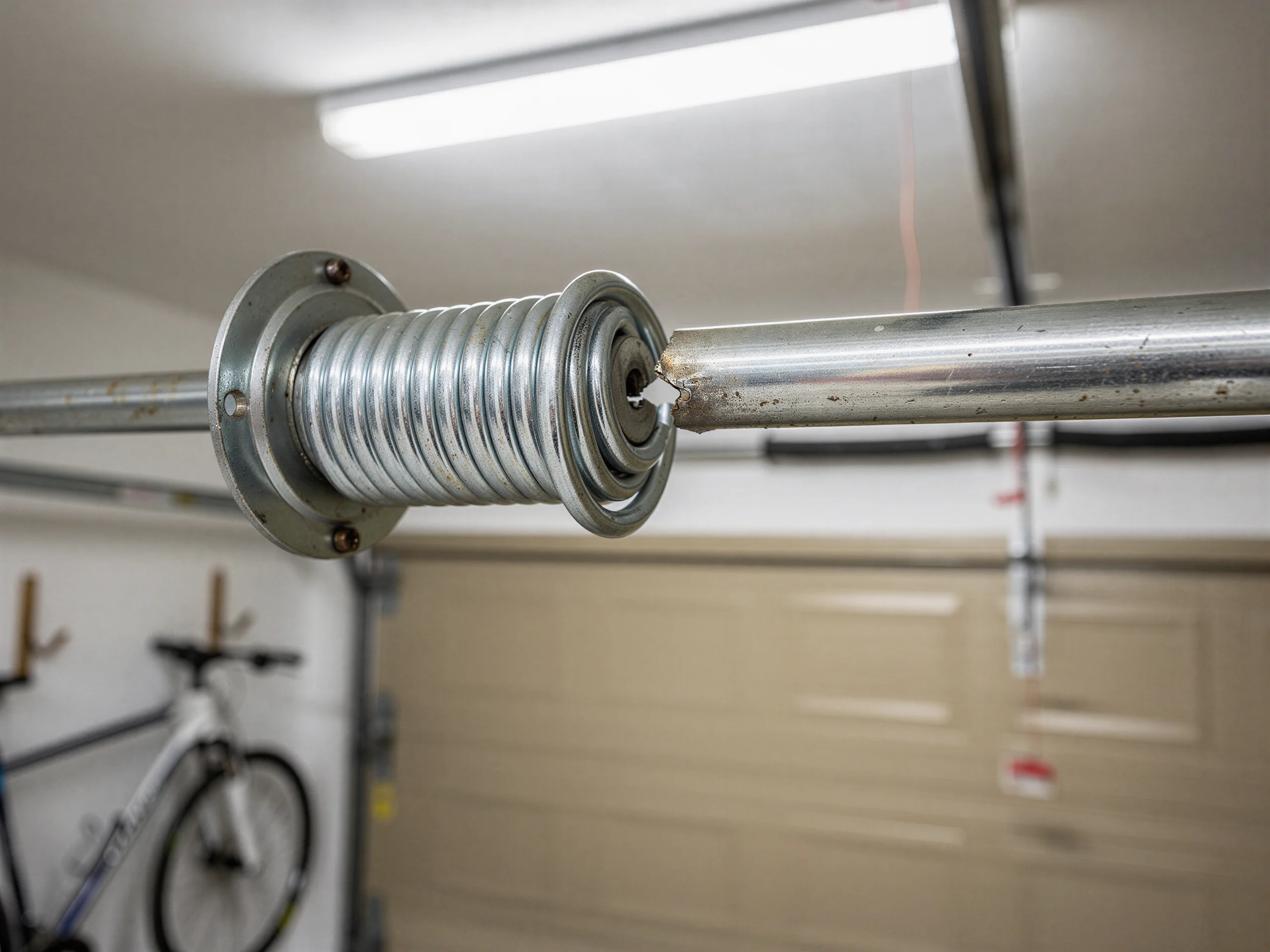
The one thing worth doing yourself: look at the spring itself. If you see a visible gap in the coil, that confirms it's broken and you need a call, not a wrench.
What Causes It Around Here
A torsion spring is rated for a set number of open-close cycles, and in a county with real winter - this area sits in a cold climate band with severe seasonal swings - the metal fatigues faster than the cycle rating alone suggests. Cold makes steel brittle; a spring that's been flexing since the house was built in the mid-1950s has had close to seventy years of temperature swings working against it, on top of the mechanical wear. Add in that many of these garages were built as single-car structures later widened or re-hung with wider doors, and you get springs mismatched to the door's actual weight from day one - a setup error from decades ago that finally shows up as a snapped spring now. We see a lot of these doors come in with the original drums still on the shaft, which tells you the spring is likely original too.
Questions
Common questions
Why does my garage door feel heavier than a newer one down the street?
If your house was built around 1956, which is typical for West Mifflin, the original door is likely steel and heavier per square foot than the insulated panel doors common in newer builds. That weight has to be matched by the torsion spring, and a spring sized for a lighter door won't hold it safely.
Do you have a shop in West Mifflin?
No. We're based in Monroeville, about 9 miles away, and drive out for spring jobs in West Mifflin rather than keeping a separate branch here. You'll get the same crew and parts, just a short drive involved.
Can I just replace one spring if only one broke?
You can, but the second spring is usually close behind in wear if it's the same age, and running one new spring against one old one puts uneven tension on the door. Most owners here replace both at once rather than pay for a second service call in a few months.
Explore more
More Services in West Mifflin
Cable Repair
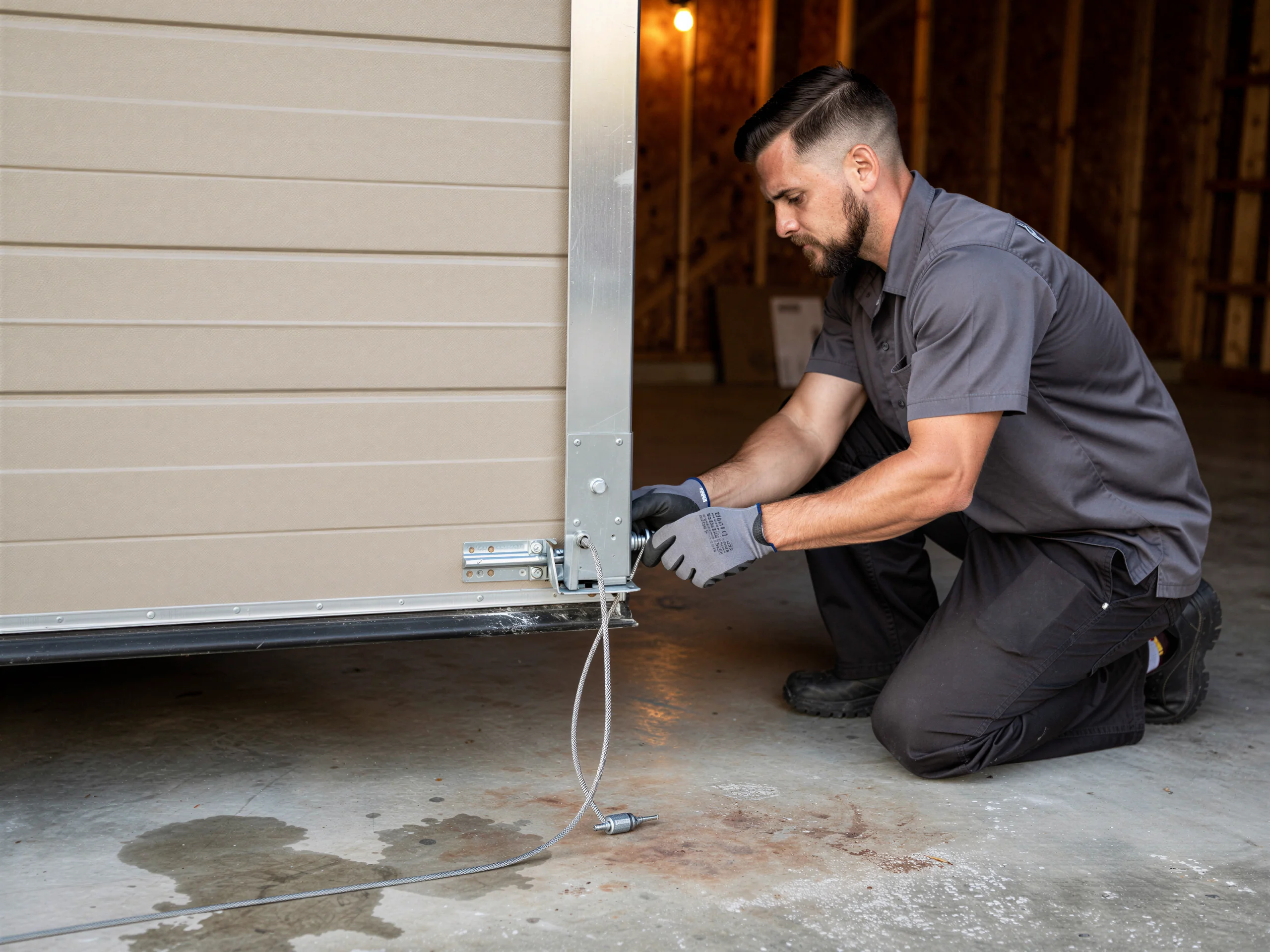
Cable repair for West Mifflin homes built mostly in the 1950s. Learn more →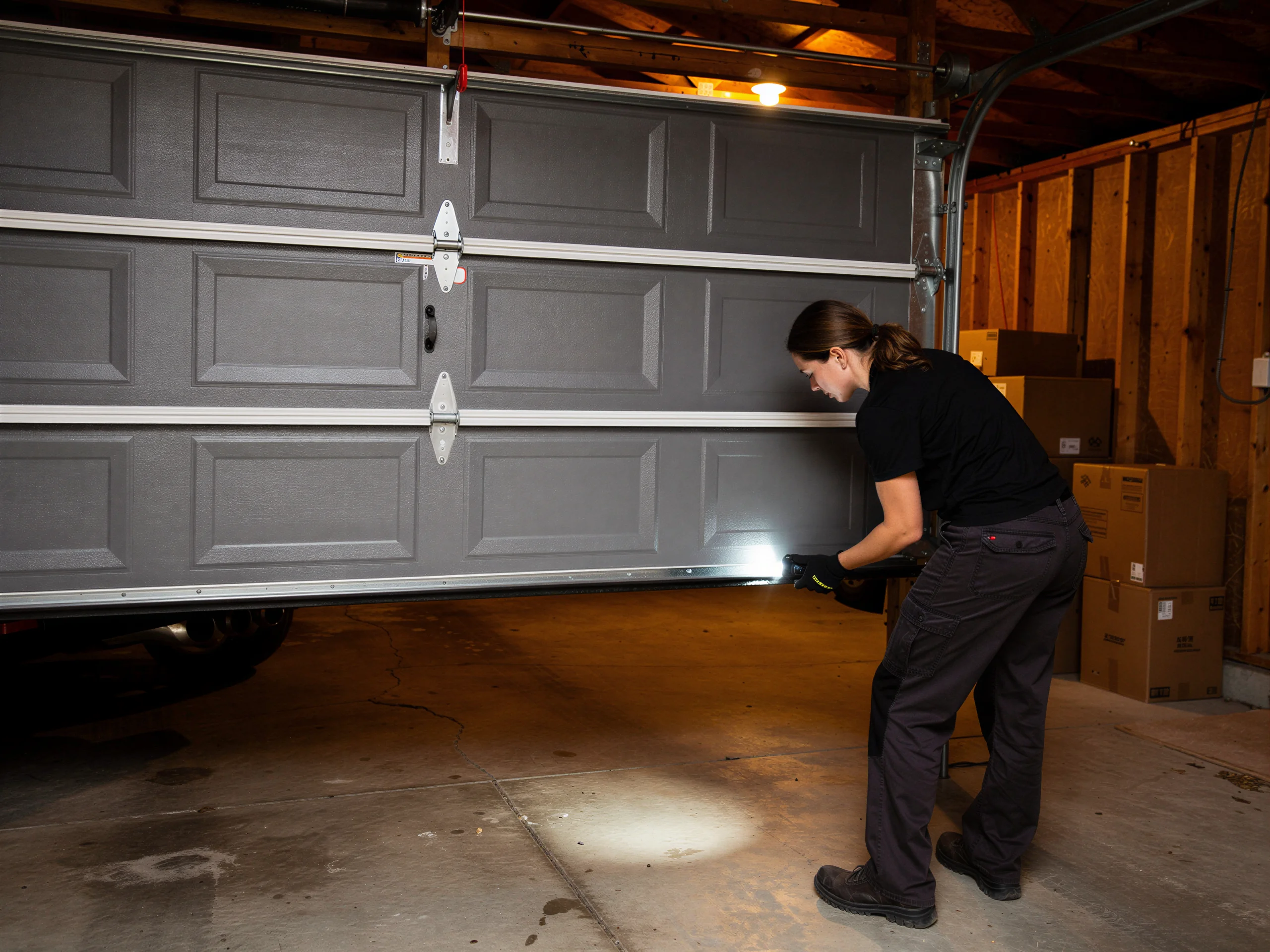
Garage Door Repair
West Mifflin homes mostly date to 1956, meaning original torsion setups and steel doors from an era before composite construction. Learn more →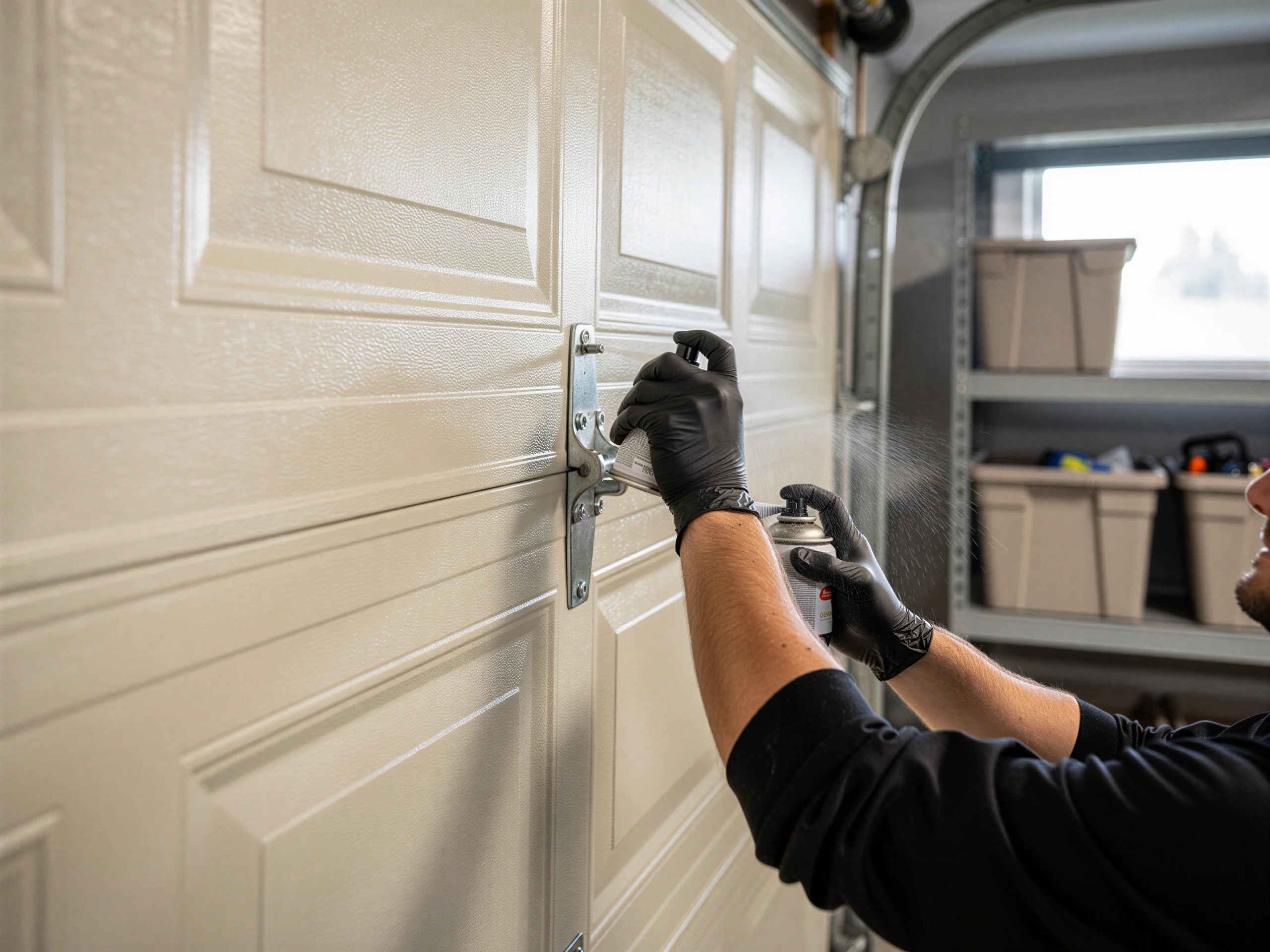
Garage Door Service
Garage door repair for West Mifflin homes built mostly before 1960, served from Monroeville 9 miles away. Learn more →
Maintenance
West Mifflin homes run a few years newer than Monroeville's own stock, median 1956 built. Learn more →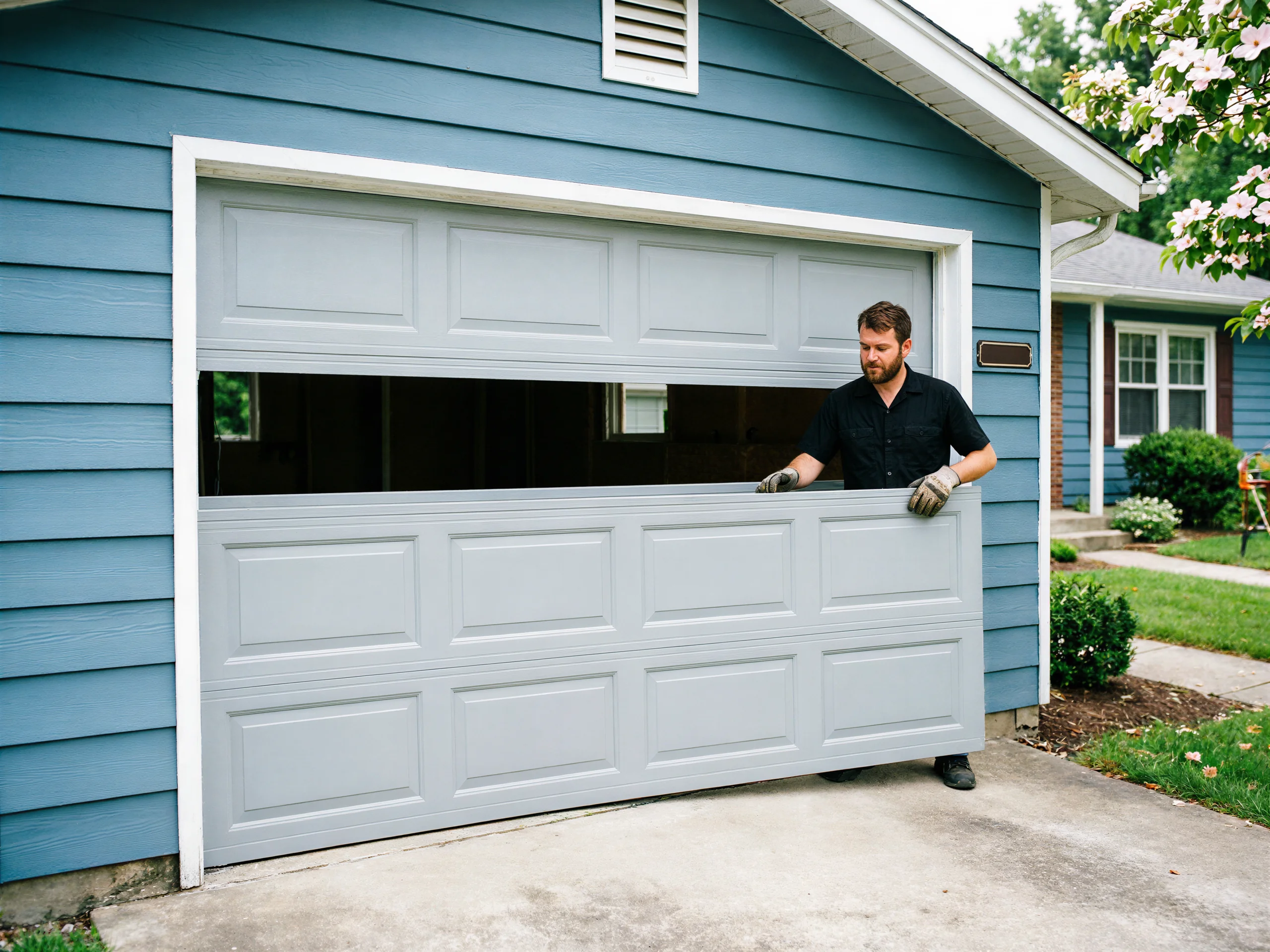
New Door Installation
West Mifflin runs about 8,499 households, most built mid-century. Learn more →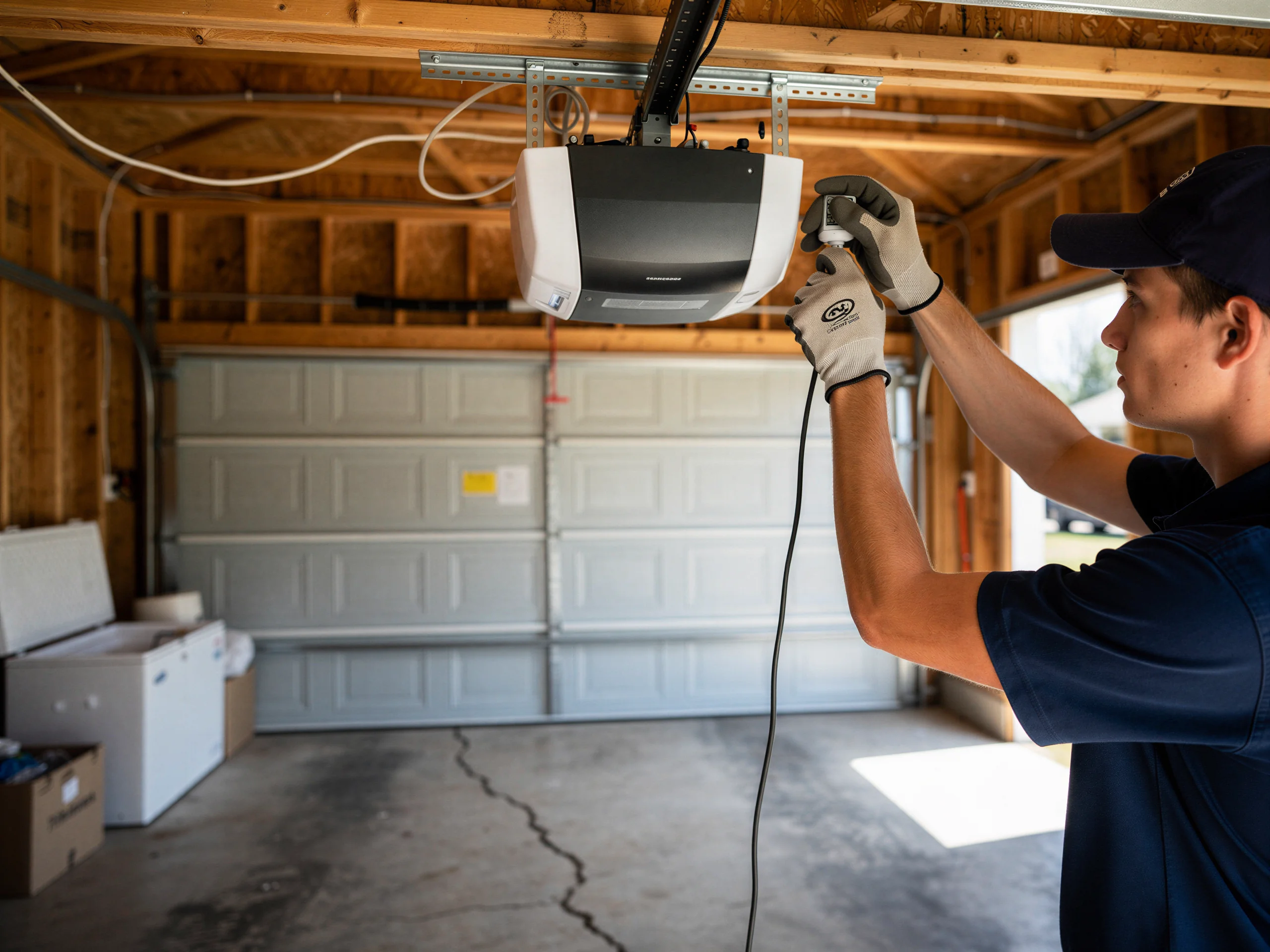
Opener Installation
Opener installation for West Mifflin homes built mostly around 1956 - old headers, chain-drive holdovers, and what actually needs upgrading before a new unit goes in. Learn more →
Roller Replacement
West Mifflin homes built around 1956 still run original steel rollers on steel tracks. Learn more →Ready when you are
Broken garage door spring in West Mifflin?
Monroeville Garage Door Pros repairs and installs garage doors, springs and openers in Monroeville, PA and the surrounding area.