Local detail
When to Call Someone
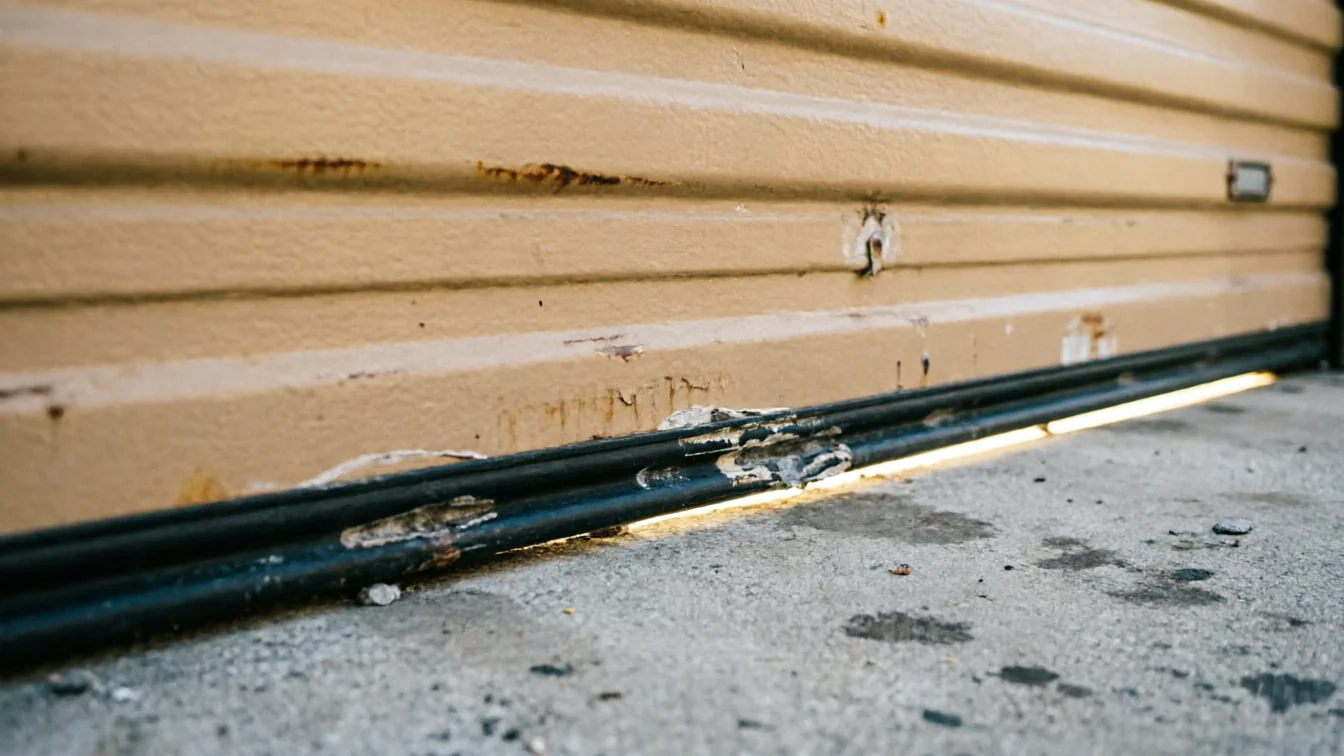
If you can see daylight along the bottom of the door, or you feel cold air moving across the garage floor near the panel edges, the seal has failed. On its own that's a twenty-minute fix in most cases. Call sooner if the draught is coming from the sides of the door instead of the bottom - that usually means the track itself has pulled away from the jamb, which is a different repair and not something you want to chase yourself with a new seal strip.
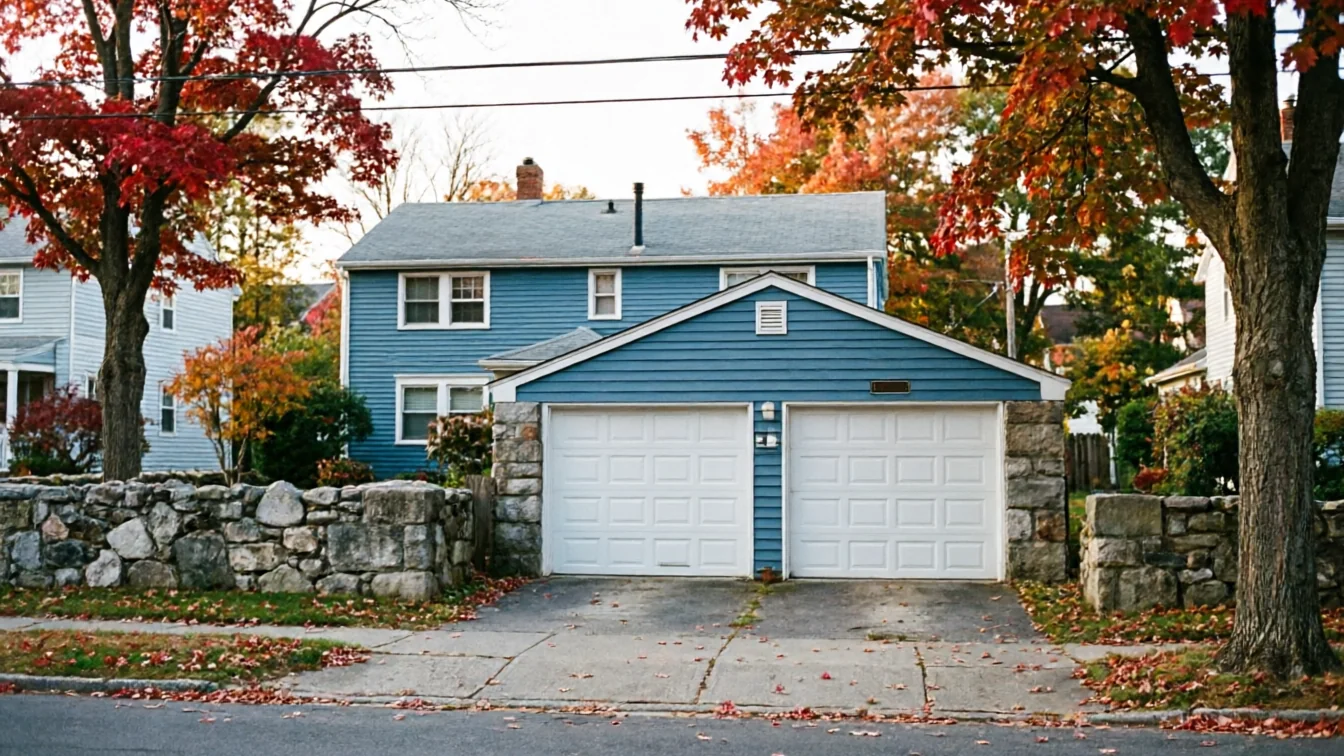
A lot of the houses on this side of Monroeville were built between 1938 and 1985, median right around 1953, and plenty of those garages still have the original aluminum retainer track rather than the wider vinyl-ready channel that newer doors use. If your seal keeps popping out of the track within a season of replacing it, that's the track, not the seal, and it's worth having someone look at it before winter rather than during it. We don't recommend waiting until the cold snap to find out the seal won't hold.
The area
The Problem
Across the roughly 89 named areas that make up this service footprint, the housing stock is mostly pre-1960. That matters here specifically because seal retainer track changed sizes more than once over that stretch, and a door from 1953 doesn't take the same bulb seal as a door from 1985, even though both look like "standard" from the driveway. Homeowners buy a universal seal kit, find it doesn't seat right, and assume the fix didn't work.
The other half of the problem is the track itself warping. Steel track on an older door, exposed to decades of freeze-thaw cycling, bows slightly at the bottom corners. A new seal dropped into a warped track will still let air through at exactly those corners, no matter how fresh the rubber is. That's the call we get most: "I just replaced the seal and it's still drafty." Usually the seal was fine. The track wasn't.
What we find
What It Costs
We're not going to put a number here that we can't stand behind for your specific door, since the right fix depends on whether it's a seal swap, a track straightening, or a track replacement - and those are three different jobs. What we can tell you is what drives the cost: the width of the door, whether the track is the older narrow-gauge style that needs a sourced part rather than a stock one, and whether the bottom panel itself has started to rust where the seal sits, which adds a panel repair to the job.
One honest limitation: if the bottom panel is rusted through rather than just worn, a new seal won't hold a seal against anything, and at that point you're looking at panel replacement, not a seal job. We'll tell you straight if that's what we're looking at instead of selling you a seal that won't do the work.
How we work
What the Weather Here Does to It
Monroeville sits in a cold, severe climate band, and that's the detail that actually explains why seals fail here faster than a mild-climate warranty card suggests. It isn't just cold - it's the swing. A seal that sits at well below freezing overnight and then warms into the 40s by afternoon is flexing through a range that ages rubber compounds much faster than steady cold would. Vinyl seals on older aluminum track, the kind common in houses built mid-century here, are the first to show it: they crack along the fold line instead of just going stiff.
With 120,826 owner-occupied houses in the service area, a good number of them are carrying that original narrow track, and the seasonal split-and-reseal cycle is the most common call we get once temperatures start dropping. A median household income of $62,874 in this area also shapes what we recommend - most owners want the draught fixed, not the whole door replaced, so a track and seal retrofit is usually the right scope rather than a full unit swap.
Talk to a local pro
Garage door trouble in Monroeville?
Same-day service with honest, upfront quotes.