Local detail
When to Call Someone
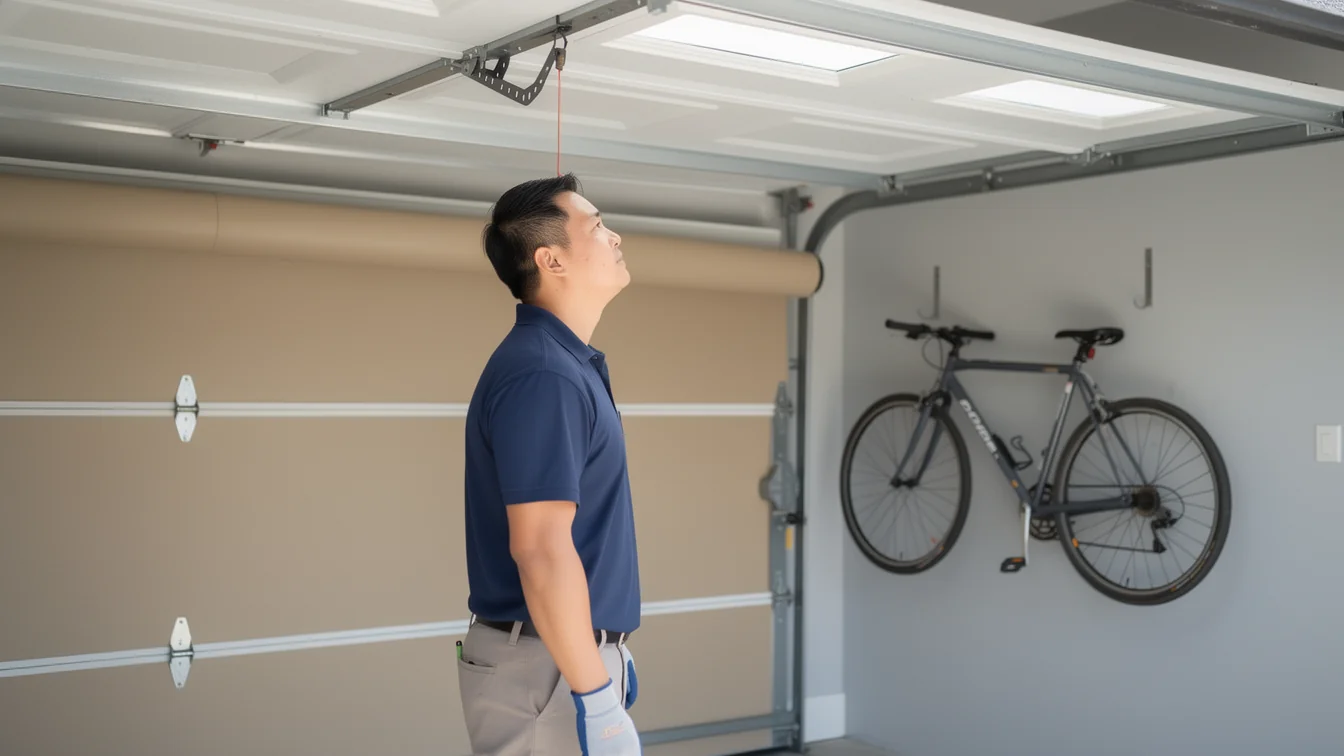
If the door won't open, won't close, or makes a sound it didn't make last week, that's a call, not a project for Saturday. A garage door is a 150-to-300-pound panel held up by springs under heavy tension, running on cables and a track that are decades old in a lot of Monroeville houses. Guessing at a fix on a torsion spring can put someone in the ER.
We get calls that break down into two kinds: something is actually broken (a spring snapped, a cable frayed through, an opener motor burned out), or something is about to be (the door is dragging, the opener strains, a roller is chewing up the track). Both are worth a call. The second kind is cheaper to catch early.
What a call does NOT need to be for: a door that's just dirty, hinges that squeak and nothing else, or a remote with a dead battery. Those are five-minute fixes most homeowners handle themselves. We'd rather you save the service call for when it's actually a mechanical problem, because across the roughly 120,826 owner-occupied houses in this service area, most of the real work is on doors and hardware that are older than the people calling about them.
The area
The Problem
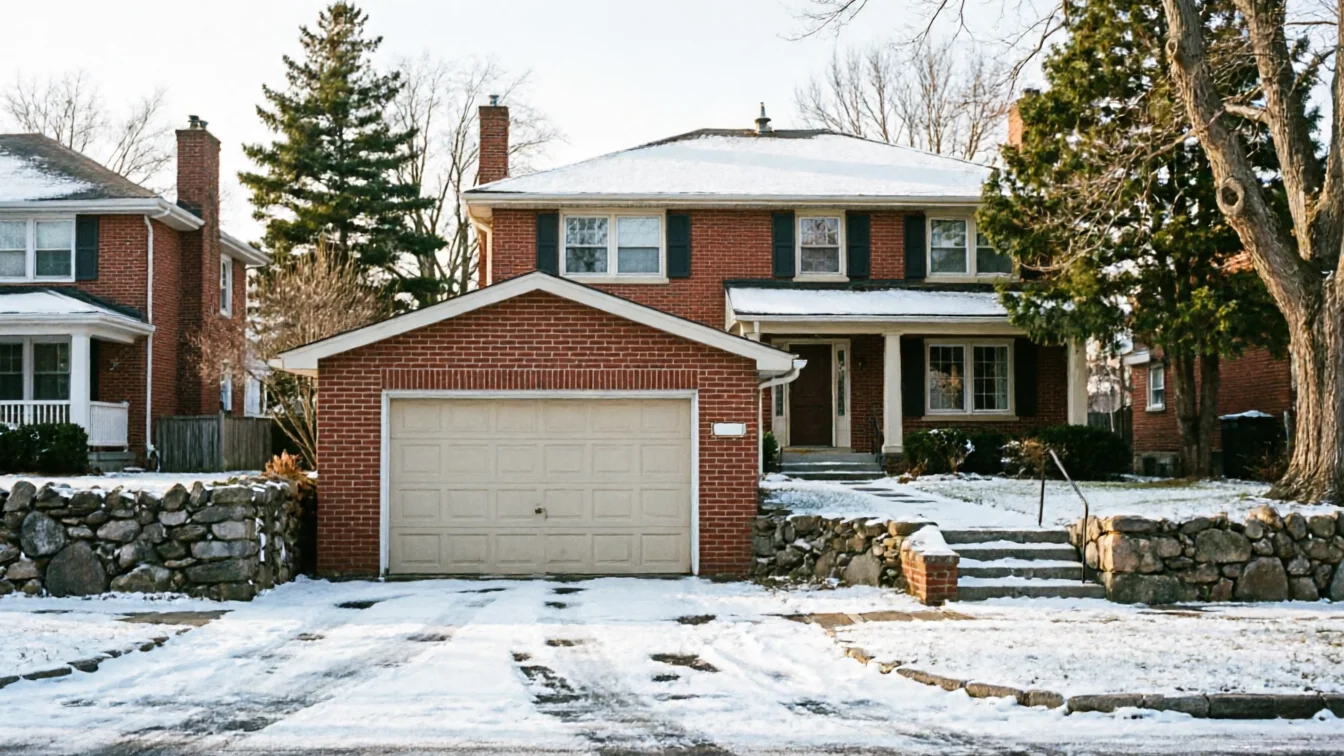
Monroeville and the towns around it - Trafford, Wilmerding, Turtle Creek, Churchill, East Pittsburgh - sit on housing stock that's mostly pre-1960, with the broader area built out between 1938 and 1985 and a median build year of 1953. That matters for one plain reason: the garage doors, tracks, and torsion hardware installed when these houses went up are not the same parts sold today. Side-mounted torsion springs, narrow track gauges, and openers bolted to framing that's shifted with seventy-plus years of settling are the norm, not the exception.
A service call on a house like this starts with figuring out what generation of hardware is actually in the garage, because the fix depends on it. A spring that looks standard might be a size nobody stocks on the truck, which means a special order and a second trip. A track that's bent from decades of a door dragging on one side needs to be read correctly the first time, or a repair gets bolted onto a problem that was never structural to begin with.
The honest limitation here: we don't carry every obsolete part on the truck. Some original hardware from the 1940s and 1950s has to be ordered, and that adds a day or two before the second visit. We'll tell you straight if that's what your door needs instead of promising a same-day fix we can't deliver.
What we find
What It Costs
We're not going to put a number here that doesn't hold up house to house, because the honest answer is that cost depends heavily on what era your hardware is. A standard spring swap on a door from the 1970s or later is a different job than sourcing and fitting a part for a house built when Eisenhower was in office. What we can tell you is what drives the number up or down: whether the part is stocked or ordered, whether it's one spring or a full set, and whether the track or opener also needs attention once we're in there.
Median household income across the service area sits around $62,874, and we price with that in mind - we're not going to recommend a full door replacement when a spring and a cable will get another fifteen years out of the one you have. Replacement makes sense when the door itself is failing structurally - rusted-through panels, a frame that's racked - not just because it's old. A lot of the doors on original hardware in this area are still sound; they just need the right parts matched to them.
How we work
What the Weather Here Does to It
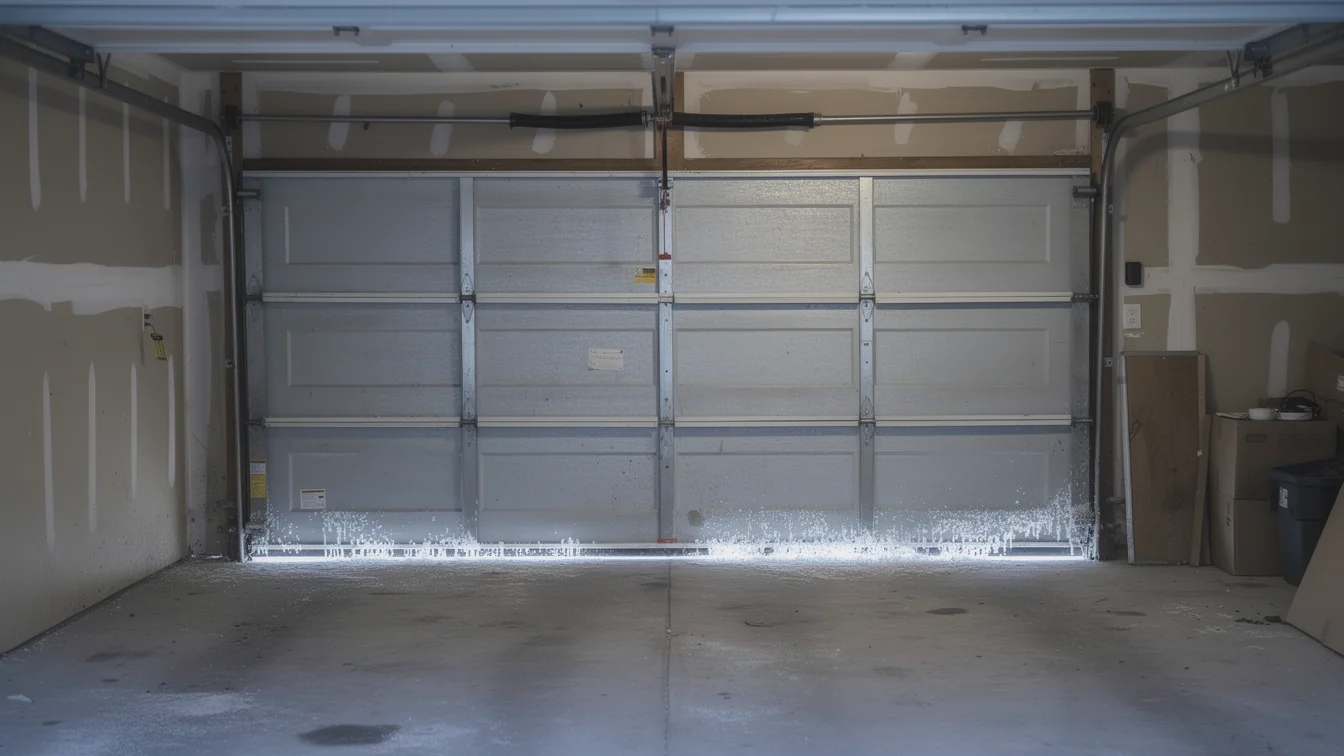
This area sits in a cold, severe climate band, and that shows up in the garage every winter. Steel contracts in deep cold, which tightens tolerances on tracks that were already running a little loose from age. Springs lose a bit of tension in the cold too, so a door that opened fine in August can feel heavier and strain the opener by January - sometimes enough to trip a breaker or burn out a motor that was already near the end of its life.
Moisture is the other half of it. Freeze-thaw cycles push water into bolt holes and seams on old steel doors, and on a door that's original to a house built in the 1940s or 1950s, that's decades of rust working at hardware that was never galvanized to today's standard. We see more spring failures and cable snaps in the cold months here than any other time of year, and it's rarely a coincidence - it's metal that's been fatiguing since before most of the current owners bought the house.
Talk to a local pro
Garage door trouble in Monroeville?
Same-day service with honest, upfront quotes.