West Mifflin, Monroeville
Garage Door Maintenance for West Mifflin Homes
West Mifflin homes run a few years newer than Monroeville's own stock, median 1956 built. See what that means for tune-ups, springs, and openers here.
Popular Services
What It Costs
We don't have a posted price list specific to West Mifflin, and we're not going to invent one here. What we can tell you is that the maintenance job itself - spring tension check, hardware tightening, track alignment, opener safety test - is the same scope of work whether the door is a 1956 original or a later replacement. What changes the cost from house to house is what we find once we're in the garage: whether the rollers are original steel (common on houses from this build era and due for replacement) or already nylon, whether the cable has started to fray at the drum, and whether the opener still has a working safety reversal. We'll tell you what we find before we do anything beyond the standard check, and if a part needs replacing, that's priced separately from the maintenance visit itself.
What the Repair Takes
West Mifflin's housing stock sits at a median build year of 1956, a few years past the 1953 median across the rest of the service area we cover out of Monroeville.
Later hardware configurations
That gap matters more than it sounds. Doors and openers installed in the later 1950s through the 1960s, as this area filled in, tend to carry different spring configurations and track hardware than the earlier 1938-1949 builds common elsewhere nearby.
Partial upgrades on originals
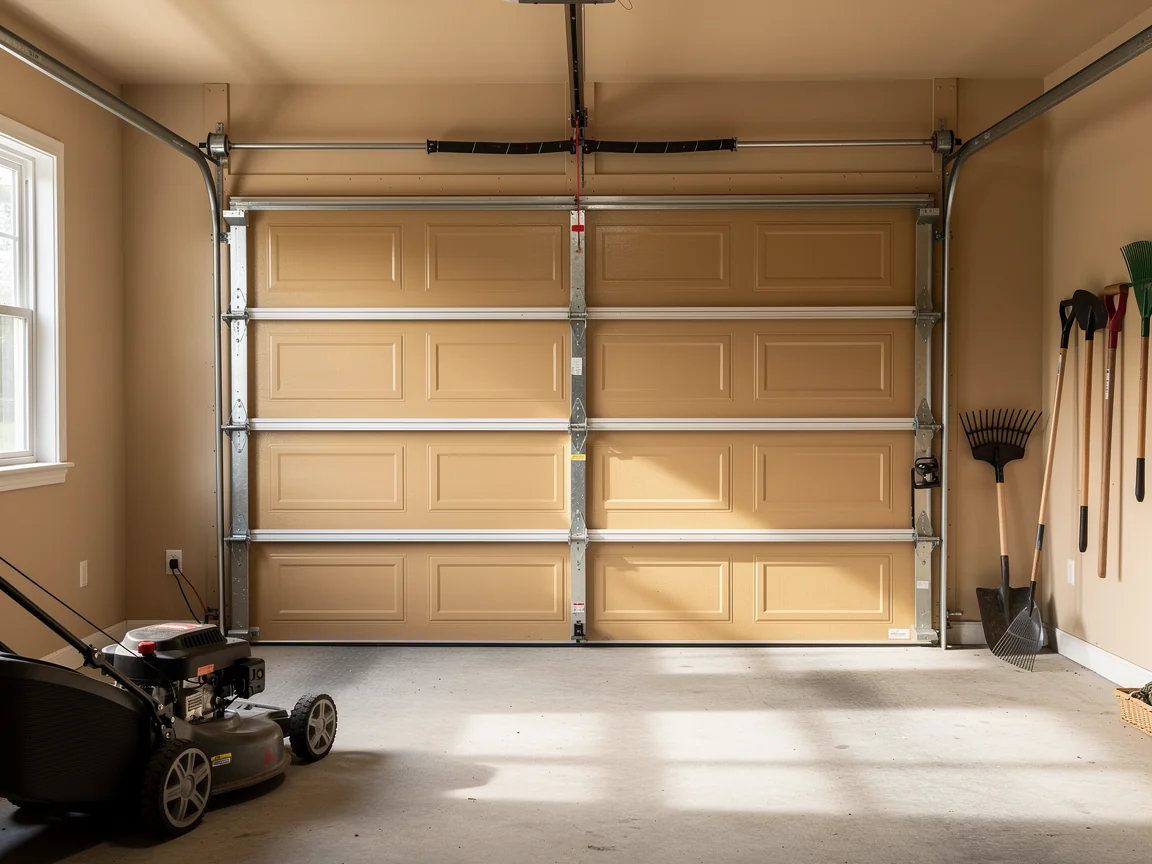
A maintenance visit here usually starts with confirming what era of hardware is actually on the house, because a lot of these doors have been through at least one partial upgrade - a retrofit opener bolted onto an original wood door, or a replacement torsion spring on the original track. We check the spring wind, cable condition at the drum, roller wear, and the opener's force settings and safety reversal.
Rust starts at bottom
On a steel door from this era we're also looking at the bottom panel and weatherseal, since that's where rust starts first. We travel out from Monroeville for this call, about 9 miles, so we try to get everything that needs attention done in one visit rather than a return trip.
What You Are Seeing
If your door is slow to respond to the remote, or the opener grinds for a second before catching, that's usually a limit switch or worn drive gear rather than the spring. A door that's noiseably heavier on one side when you lift it by hand usually means one torsion spring has lost tension while the other hasn't - common on the older original doors in this area where one spring was replaced at some point and the other wasn't. Rust streaking down from the top roller brackets is a sign the galvanized coating has worn through, which happens faster here given the winters. If you're not sure which of these you're looking at, that's exactly what a maintenance visit sorts out before it becomes a Saturday morning no-opener problem.
Doing It Yourself
There's a fair amount you can check yourself before calling anyone. Pull the release cord and move the door by hand - it should take an even, moderate pull and stay roughly level wherever you stop it.
Sudden drop signals spring
If it drops suddenly or takes real effort to lift, that's a spring losing tension, and that's not a DIY fix; torsion springs are wound under enough force to cause serious injury if you don't have the bars and the training.
Simple twice yearly tasks
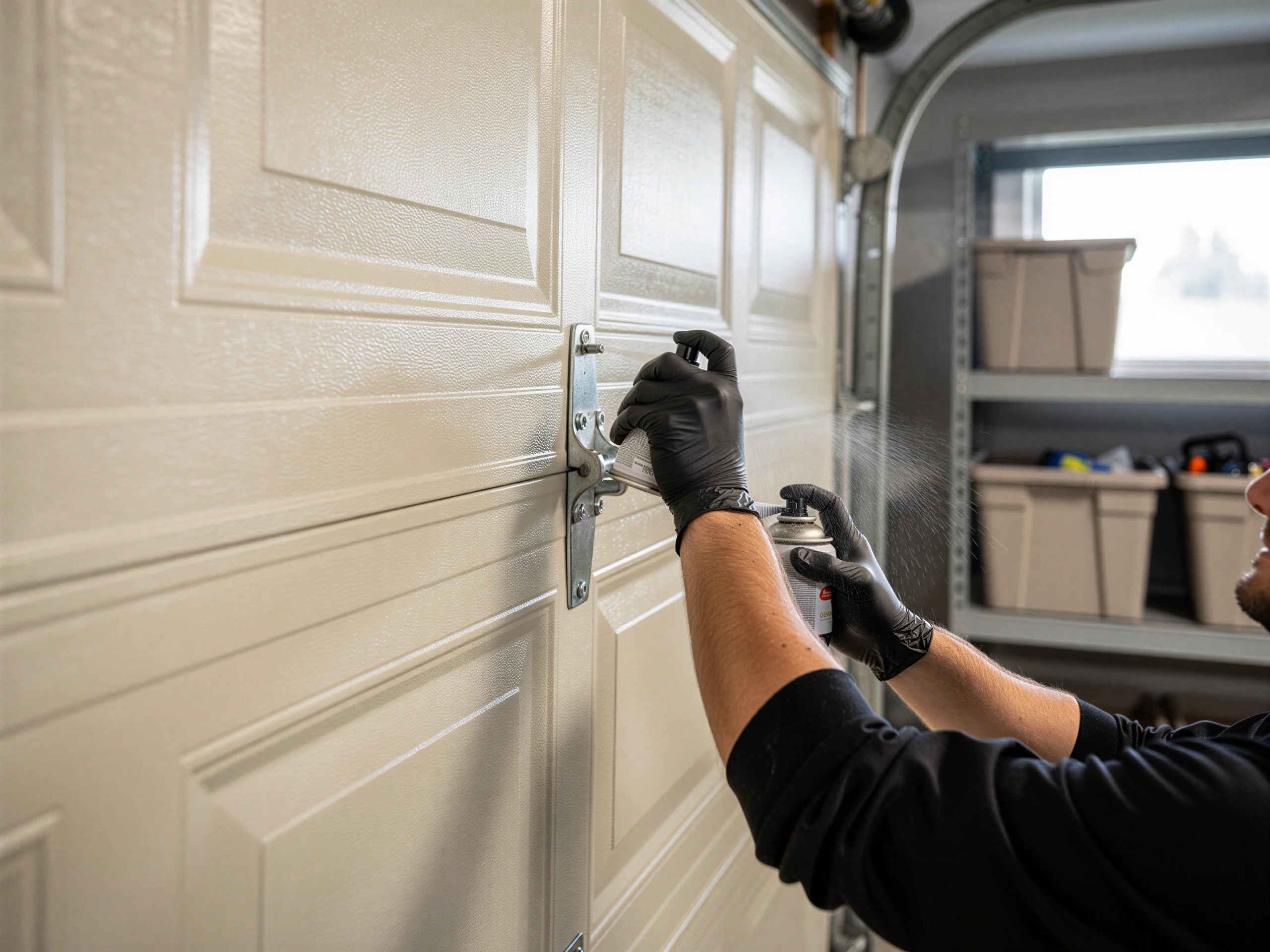
What you can do yourself: wipe down and lightly lubricate the rollers and hinges twice a year, check that the photo-eye sensors near the floor are aligned and clean, and look at the weatherseal along the bottom for cracking or gaps.
Opener without reversal
If your opener is original to a 1950s or 60s install and has no safety reversal feature at all, that's worth a call regardless of how well it seems to run - older units without modern reversal sensors are a real safety gap, not just an inconvenience.
What Causes It Around Here
With a median household income of $70,335 in West Mifflin, higher than the broader area's $62,874, a fair number of these houses have had their original door swapped out for a newer one over the years - but the opener and track hardware often got left alone, which is its own kind of mismatch. On the houses that still have original 1950s-era doors, the common failure we see is a torsion spring that's simply worn out from age and winter cycling, since this area sits in a cold climate band with real seasonal swings that stress steel springs and cold-shrink the lubricant in the rollers. Humidity and freeze-thaw at the base of the door is the other recurring issue - it rots out wood jambs on the original builds and corrodes the bottom bracket on steel ones. None of this is unique to one block of West Mifflin; it's a function of the decade these houses went up and the winters since.
Questions
Common questions
Is West Mifflin's garage door hardware different from the rest of the area you cover?
On average, yes. West Mifflin's housing stock runs a median build year of 1956, a few years newer than the 1953 median across the wider service area. That means slightly more of the original hardware here is late-50s and 60s configuration rather than the older late-1930s to 1940s setups found closer to the center of the service area.
Do you have a branch or depot in West Mifflin?
No. We're based in Monroeville and travel out to West Mifflin for maintenance and repair calls, about 9 miles each way. We don't keep a local depot or stocked truck specific to West Mifflin, so we plan the visit to cover everything the door needs in one trip.
How often should a door from the 1950s get maintenance?
Once a year is reasonable for most doors from this era, twice if the opener is original or near-original. Cold winters here put real stress on torsion springs and roller lubrication, so a yearly check catches a worn spring or a drying weatherseal before it fails on a cold morning.
My opener has no safety reversal - should I be worried?
Yes, more than you'd be about a slow motor or a worn roller. Original openers from the 1950s and 60s builds often predate modern reversal-sensor requirements entirely. If yours doesn't stop and reverse when it meets resistance, that's worth addressing regardless of how well it otherwise runs.
Explore more
More Services in West Mifflin
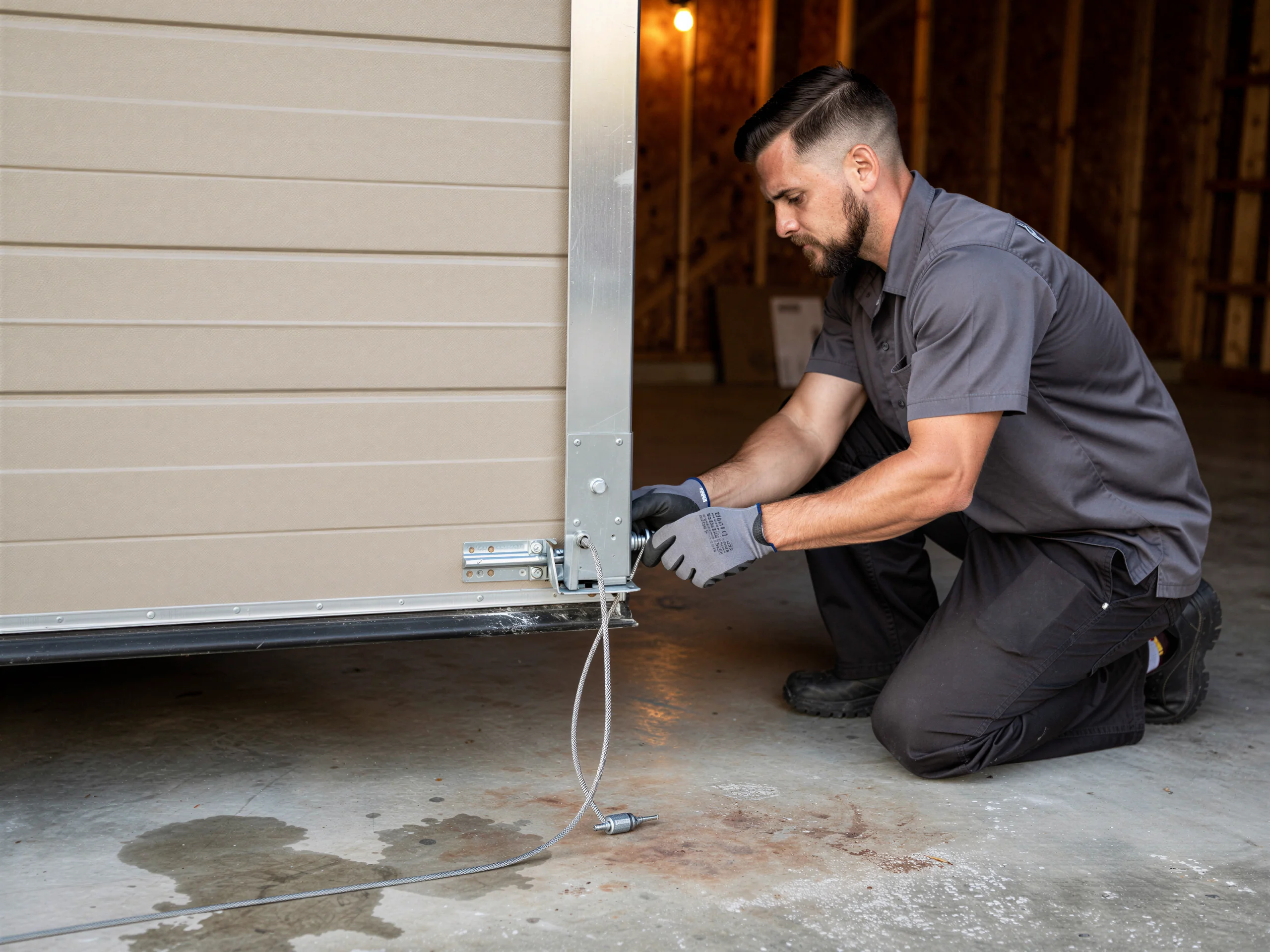
Cable Repair
Cable repair for West Mifflin homes built mostly in the 1950s. Learn more →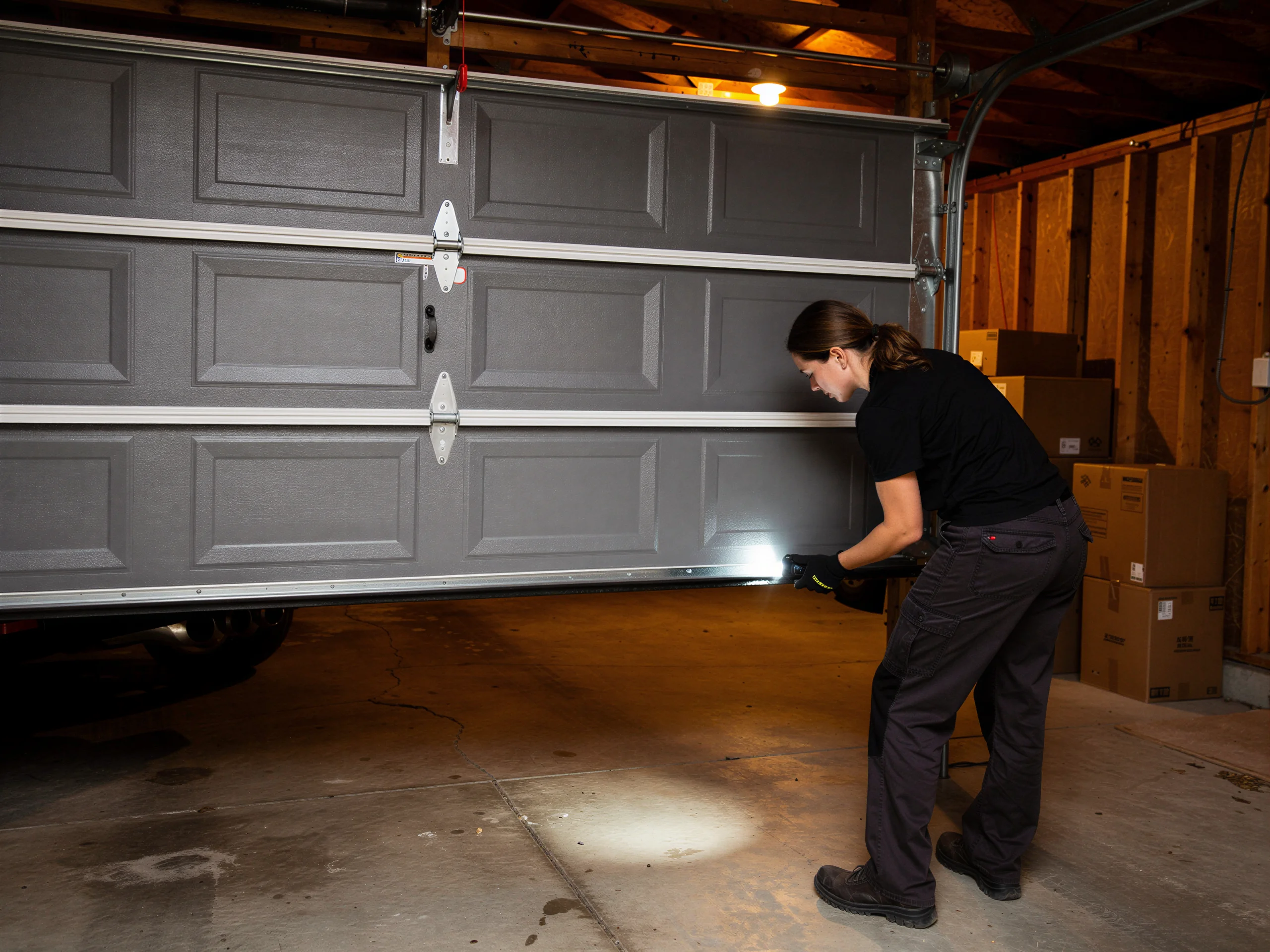
Garage Door Repair
West Mifflin homes mostly date to 1956, meaning original torsion setups and steel doors from an era before composite construction. Learn more →
Garage Door Service
Garage door repair for West Mifflin homes built mostly before 1960, served from Monroeville 9 miles away. Learn more →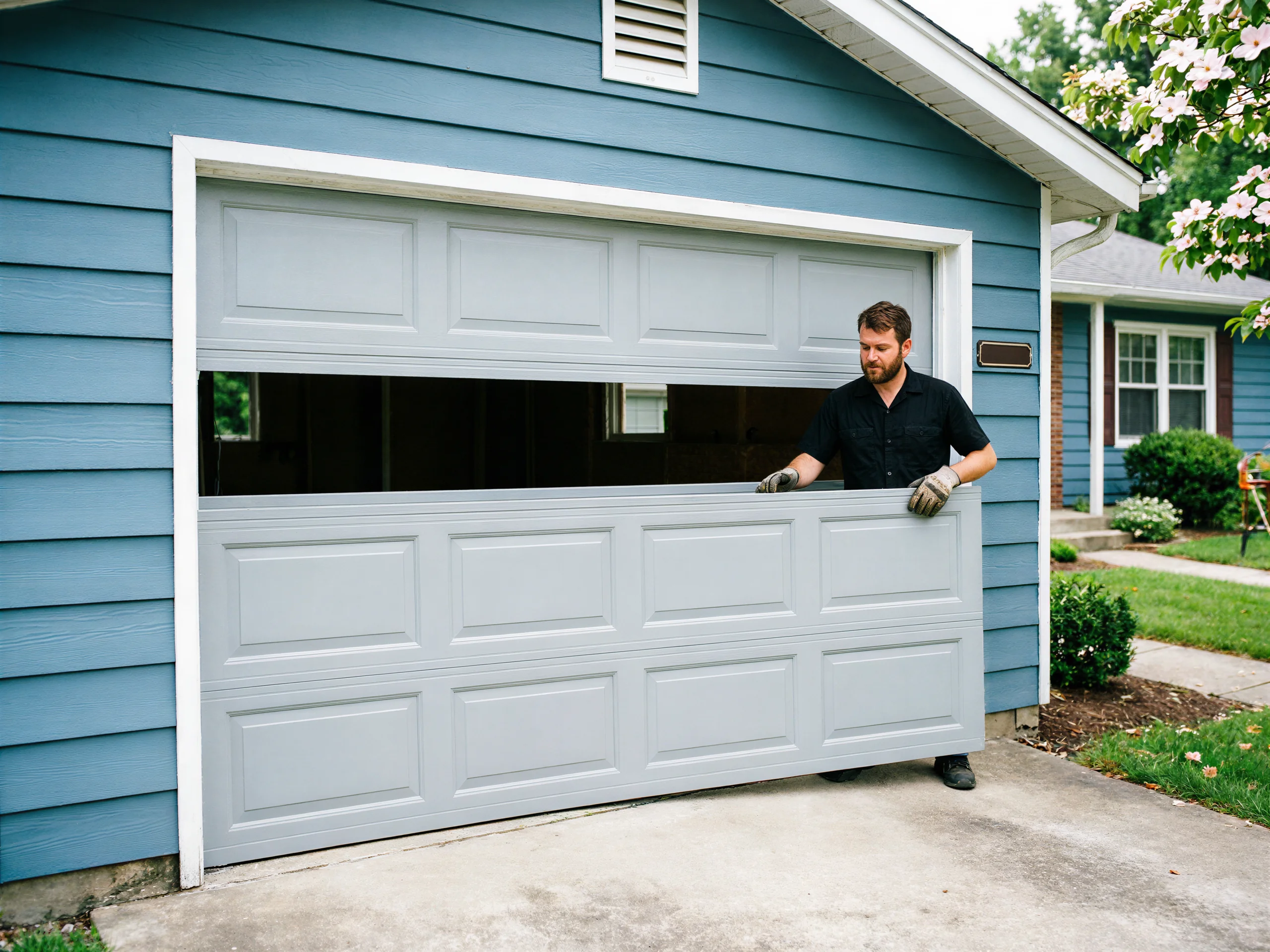
New Door Installation
West Mifflin runs about 8,499 households, most built mid-century. Learn more →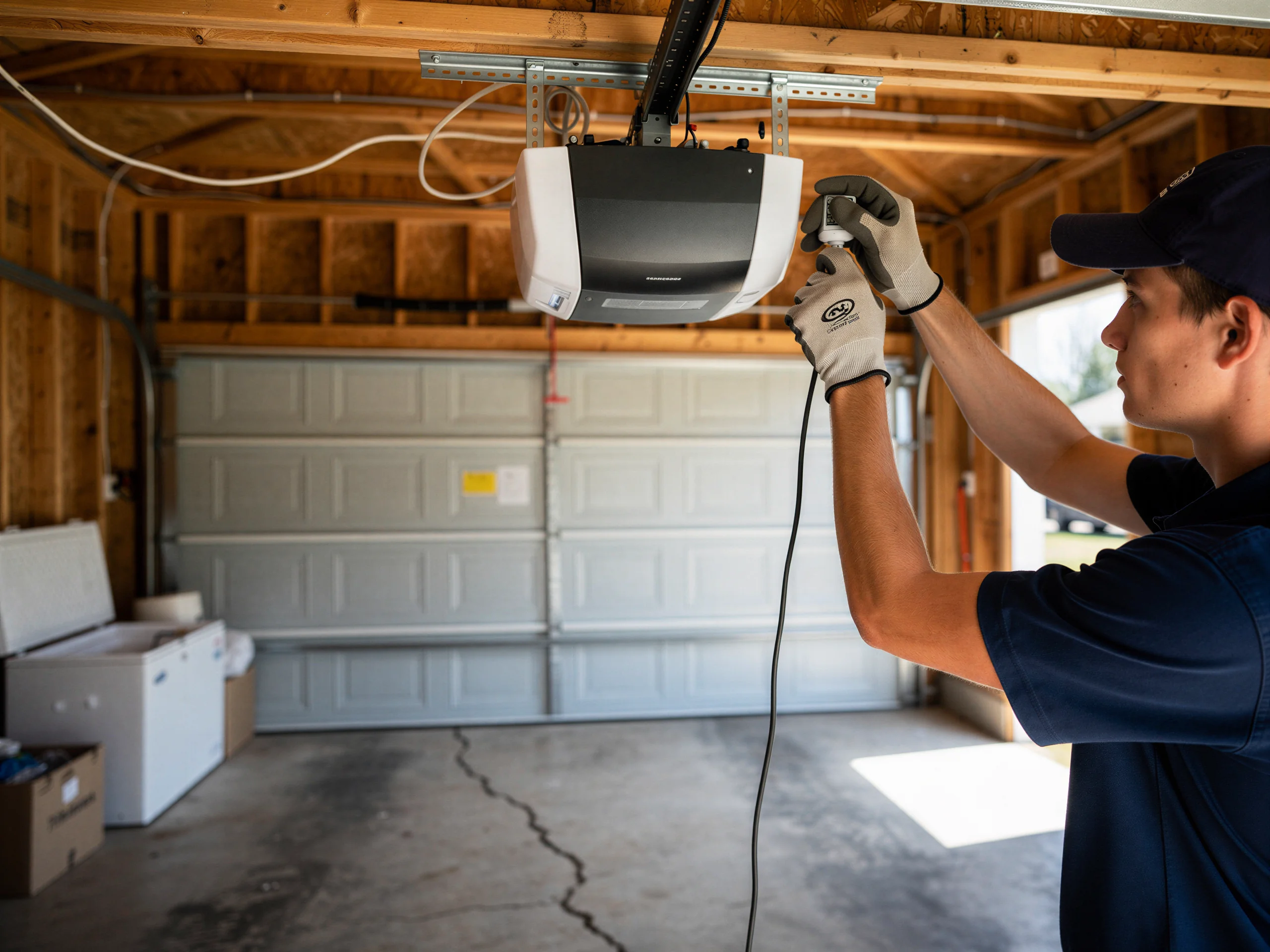
Opener Installation
Opener installation for West Mifflin homes built mostly around 1956 - old headers, chain-drive holdovers, and what actually needs upgrading before a new unit goes in. Learn more →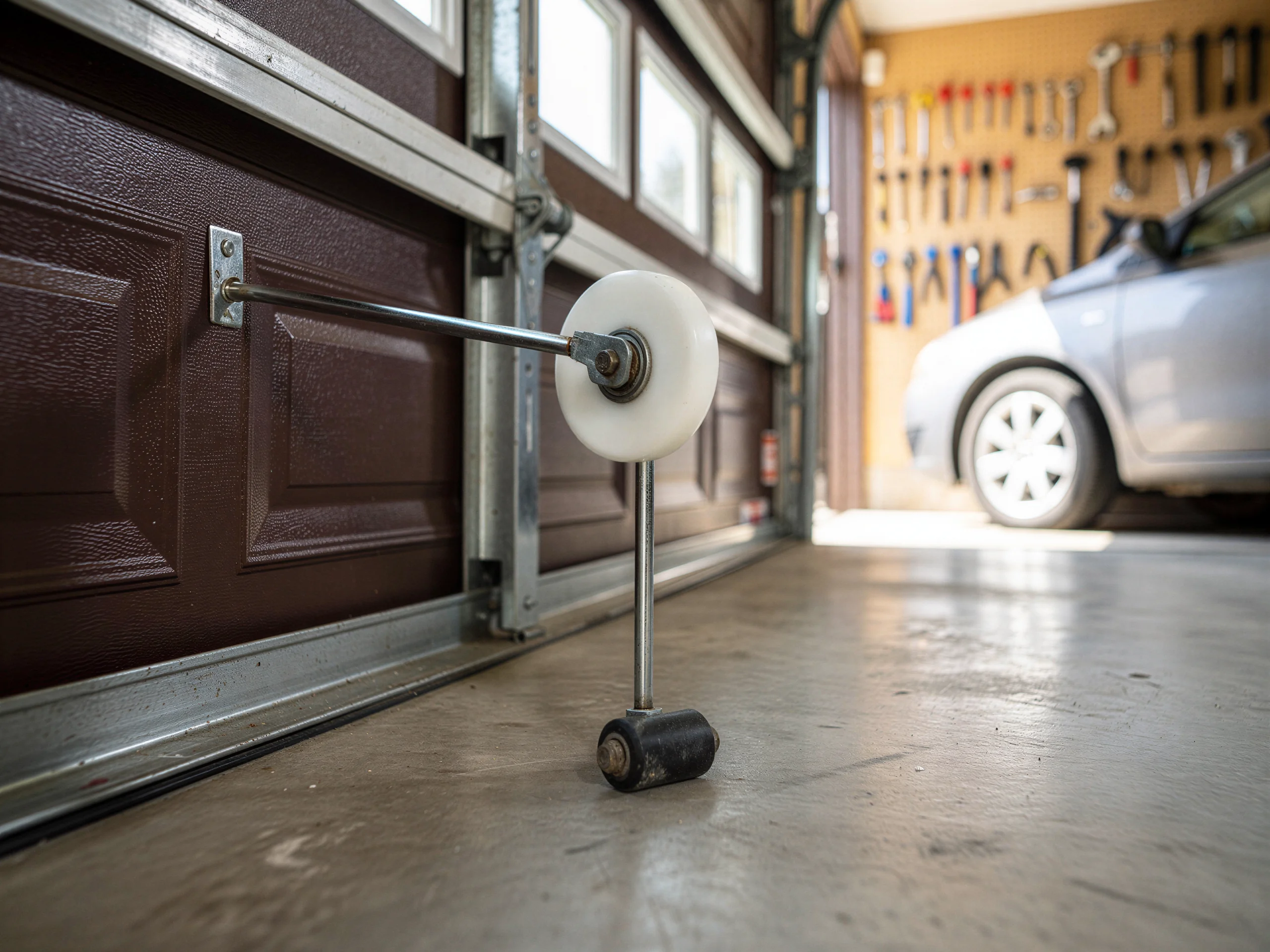
Roller Replacement
West Mifflin homes built around 1956 still run original steel rollers on steel tracks. Learn more →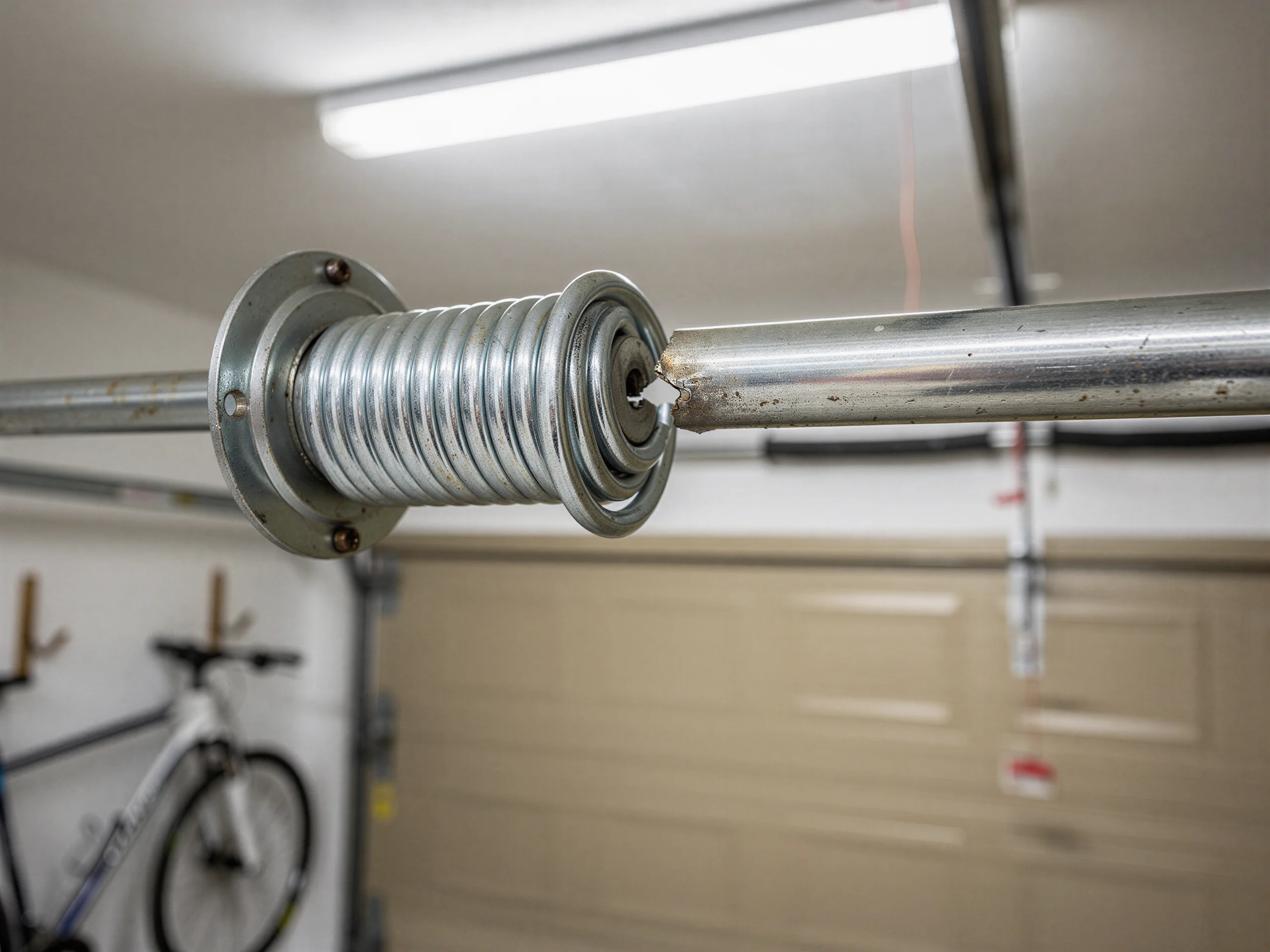
Spring Repair
West Mifflin homes built mostly in the mid-1950s carry heavier steel doors on torsion springs rated for that era's hardware. Learn more →Ready when you are
Time for a garage door tune-up in West Mifflin?
Monroeville Garage Door Pros repairs and installs garage doors, springs and openers in Monroeville, PA and the surrounding area.