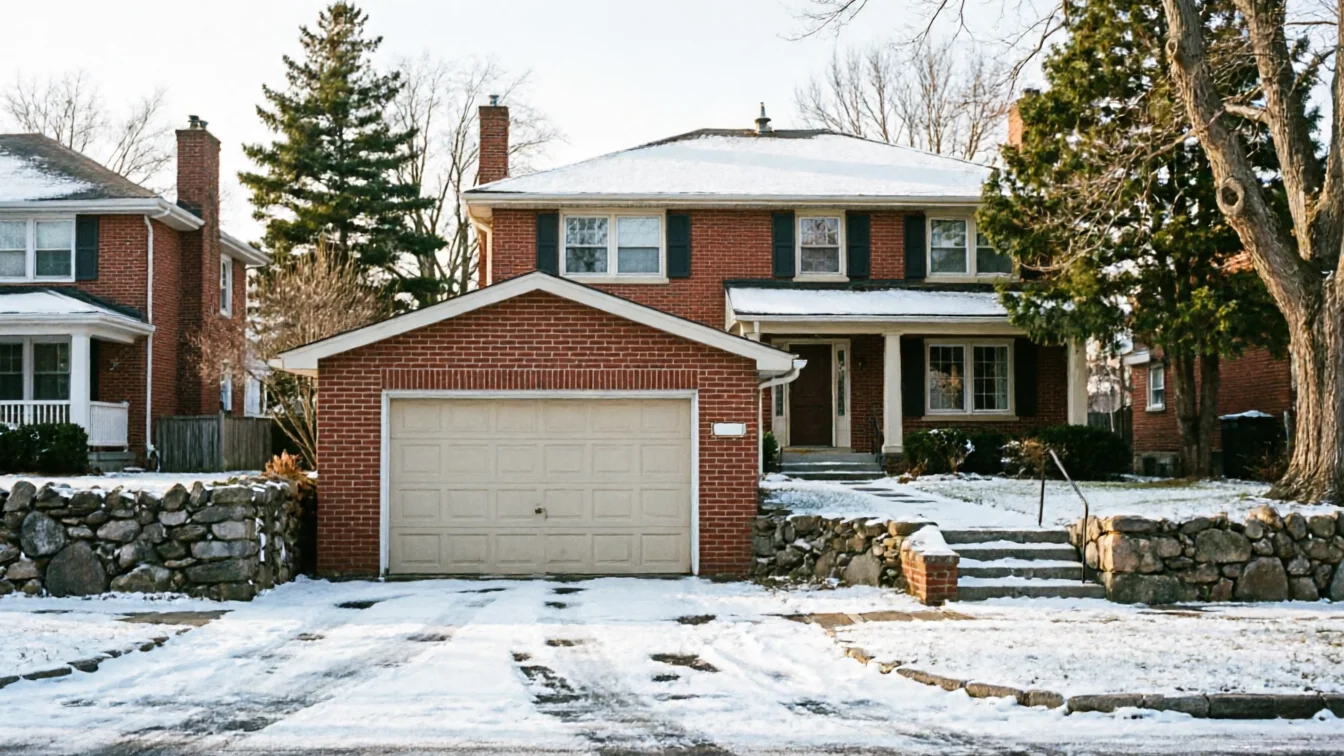
Local detail
When to Call Someone
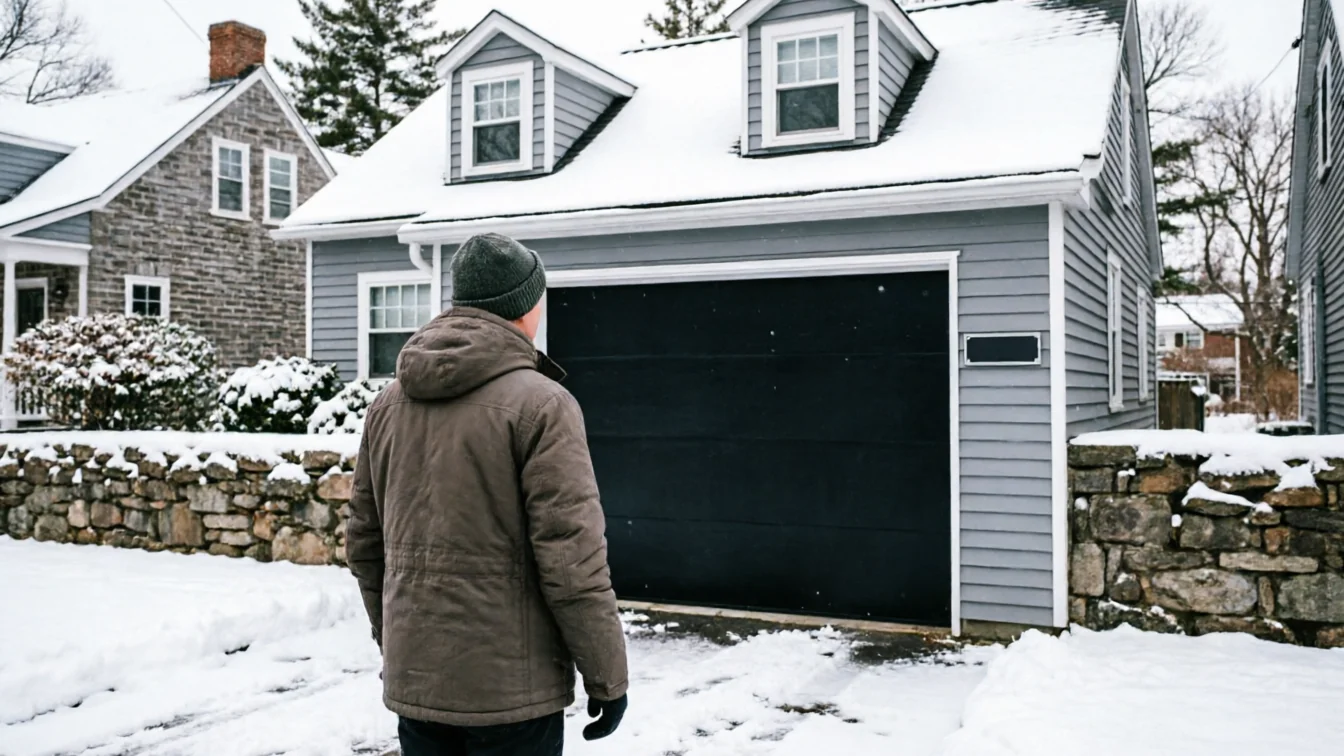
If the door won't lift past a foot or two, or it slams down instead of lowering slow and even, stop using it and call. That's a spring that's already given out or is one cycle from it. A door that lifts fine by hand but the opener strains and groans is telling you the spring is carrying less of the load than it should, and the opener motor is taking the difference.
Don't try to force the door up with the opener once you've heard a bang from the garage, even a dull one. That sound is almost always the spring itself letting go, not a bracket or a hinge. In a lot of the houses around here, built between 1938 and 1985 with a median around 1953, that bang comes from original or near-original hardware that's been doing its job for decades longer than it was built to.
One honest limit: if your door has an extension spring setup from that era with no safety cable run through the coil, we won't just swap the spring and walk away. That's a known hazard point, and fixing it right sometimes means more than the spring alone. We'll tell you that before we start, not after.
The area
The Problem
Monroeville's housing runs older than most people guess, 1938 to 1985 with a median build year of 1953, and that era of garage came with torsion and extension springs sized for the doors of the time, which were lighter than what's standard now. Over the decades a lot of those original doors got swapped for heavier insulated steel panels, but the springs underneath sometimes didn't get upgraded to match. That mismatch is the quiet part of the problem.
The loud part is steel fatigue. A spring is rated for a number of open-close cycles, not a number of years, and once it's past that count it's a matter of when, not if. Houses in this service area that have carried the same spring since the 1950s or 1960s are well past any reasonable cycle count, and the failure point is almost always a sharp cold stretch, because cold steel is less forgiving steel.
Across the 89 named areas that share this pre-1960 housing pattern, from Trafford three miles east to Turtle Creek three miles south, the same undersized or aged hardware shows up house after house. It's not a defect unique to one street. It's the age of the stock.
What we find
What It Costs
We don't have a fixed number to quote you here without seeing the door, the spring type, and whether it's a single or double-spring torsion setup, so we won't print a price we can't back up. What we can tell you is what moves the number up or down.
With 120,826 owner-occupied houses in this service area built mostly before 1960, replacement parts for the original spring mounts aren't something every supplier keeps on the truck, and sourcing an exact-match bracket for an older frame can add time and cost over a standard torsion swap on a newer door. If your door is original to a 1950s build, expect the job to take longer than a straightforward spring change on a door from the 1990s or later.
The other factor is whether it's one spring or two. Double doors on torsion hardware usually run two springs, and if one has failed from age, the other is close behind on the same cycle count, so replacing both at once is usually the better call even though it costs more up front than fixing just the broken one. We'll walk you through that trade-off on-site before any work starts, because it's your money and your door.
How we work
What the Weather Here Does to It
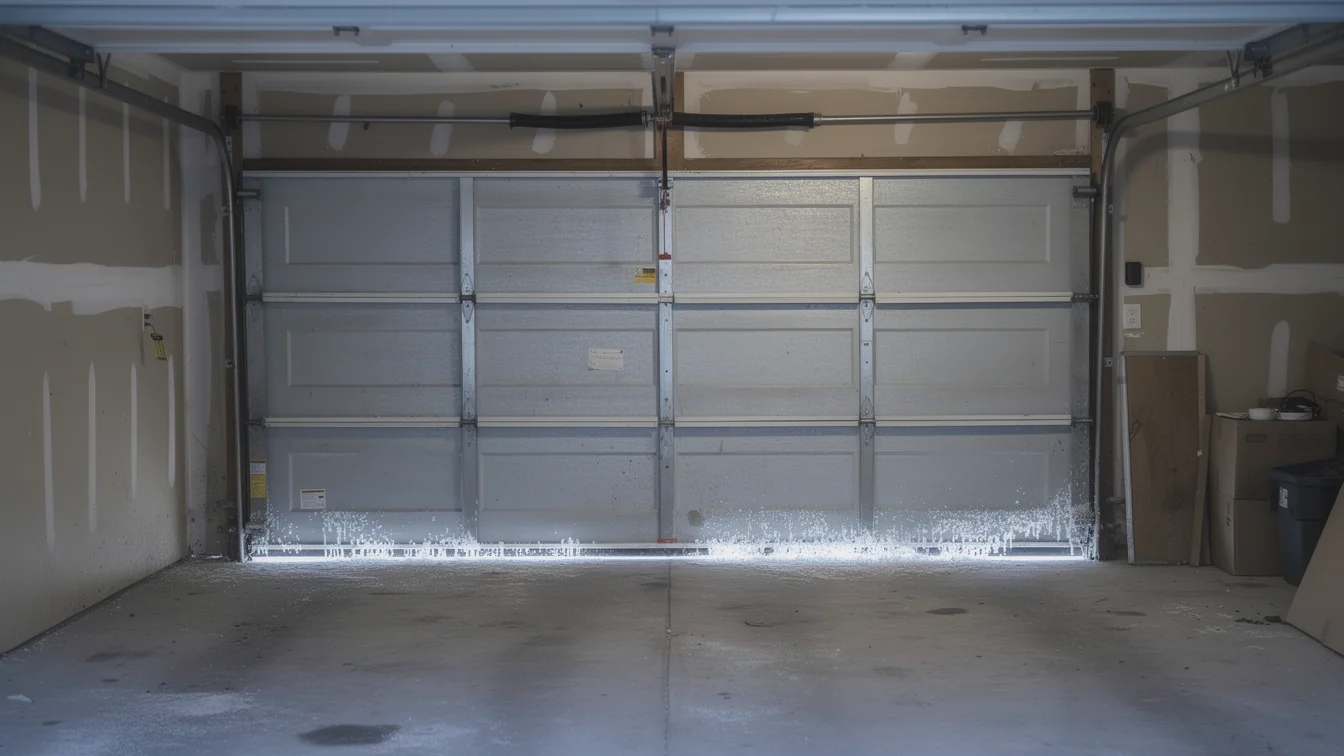
Monroeville sits in a severe cold climate band, and that matters more to a garage door spring than most people expect. Steel contracts in the cold, and a spring under tension that's already fatigued from age or cycle count is far more likely to snap during a hard overnight drop than during a mild afternoon. That's why spring failures cluster in the coldest stretches of winter here rather than spreading evenly across the year.
Cold also stiffens the lubricant on older rollers and tracks, which means the opener has to work harder to move the door at all, putting extra strain on a spring that's already compensating for age or mismatch. On a lot of the pre-1960 houses in this area, that combination, old spring plus cold stiffened hardware plus a heavier replacement door than the original, is exactly the setup that fails on the coldest night of the stretch.
There's not much you can do to stop steel from contracting in a Monroeville winter. What you can control is catching a spring that's already showing strain, groaning opener, uneven lift, slow close, before the cold finishes the job it started.
Talk to a local pro
Garage door trouble in Monroeville?
Same-day service with honest, upfront quotes.