Plum, Monroeville
Garage Door Maintenance for Plum's Early-1970s Doors
Plum homes went up mostly in the early 1970s, later than most of this service area. That changes what wears out first on the door. We cover Plum from Monroeville, 5 miles away.
Popular Services
Where This Job Goes Sideways
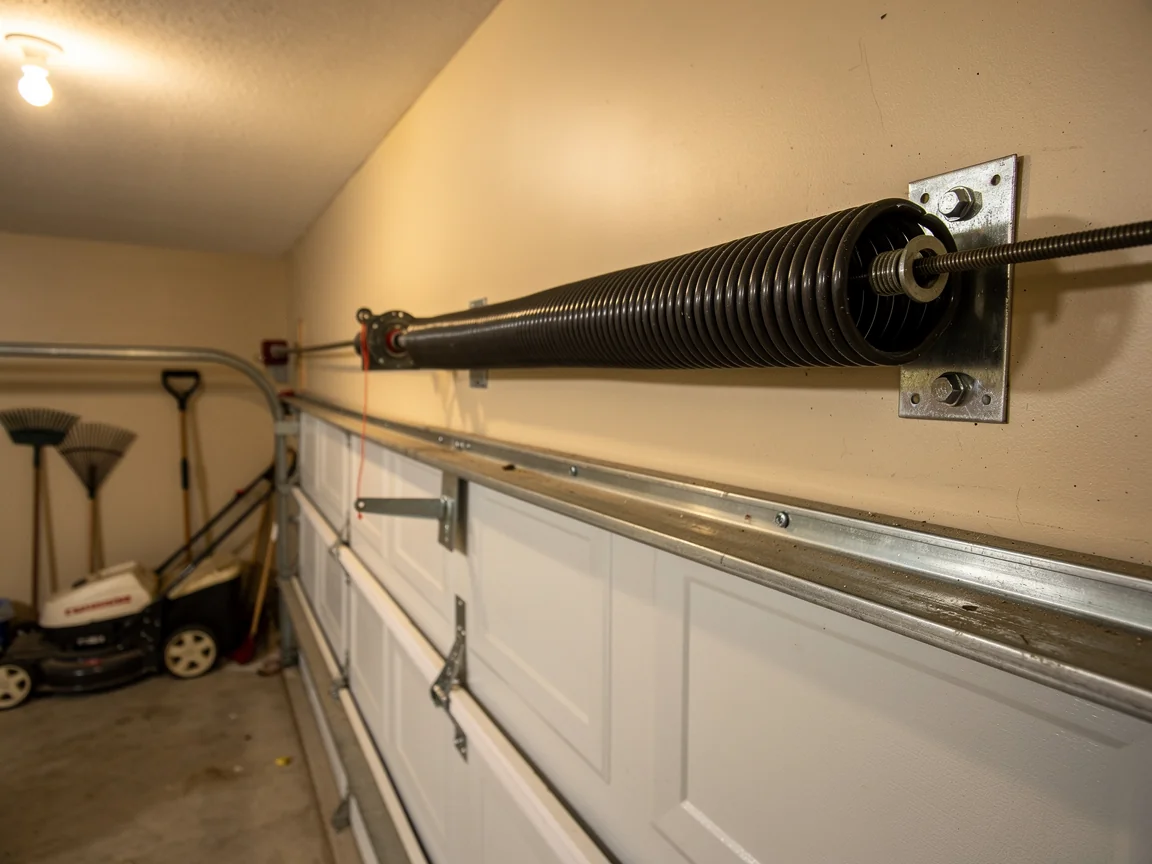
The torsion spring on a door this age has usually had decades of cycles, and a spring under tension is not a part to guess at. If you see a visible gap in the coil or hear a bang from the garage, that's the spring, and it's not a tightening job. People also get into trouble trying to adjust the opener's force or limit settings on an older unit without knowing the travel distance is already compensating for a worn spring; crank the force up to cover for a weak spring and you're asking the opener's motor and gears to do the spring's job, which burns out openers early.
The other common mistake on steel sectional doors from this era is forcing a stuck panel. If a roller binds and the door won't move freely, people push the opener anyway, and that bends the track or cracks a panel seam. If the door hangs unevenly or won't close square, stop and call it in rather than keep working the opener against it.
Doing It Yourself
Plum's housing stock centers on 1971, which puts most garages here a solid generation past the pre-1960 doors common elsewhere in this service area. That means steel sectional doors, usually two-car width, hung on torsion springs rather than the older extension-spring setups you'll still find on the area's oldest houses.
Single layer steel dents
The steel on a door this age is a single layer in most cases, with no foam core, so it's lighter than what builders install now but also more prone to oil-canning and dents along the bottom two panels. You can do real maintenance yourself without touching the spring.
Correct lubricant choice
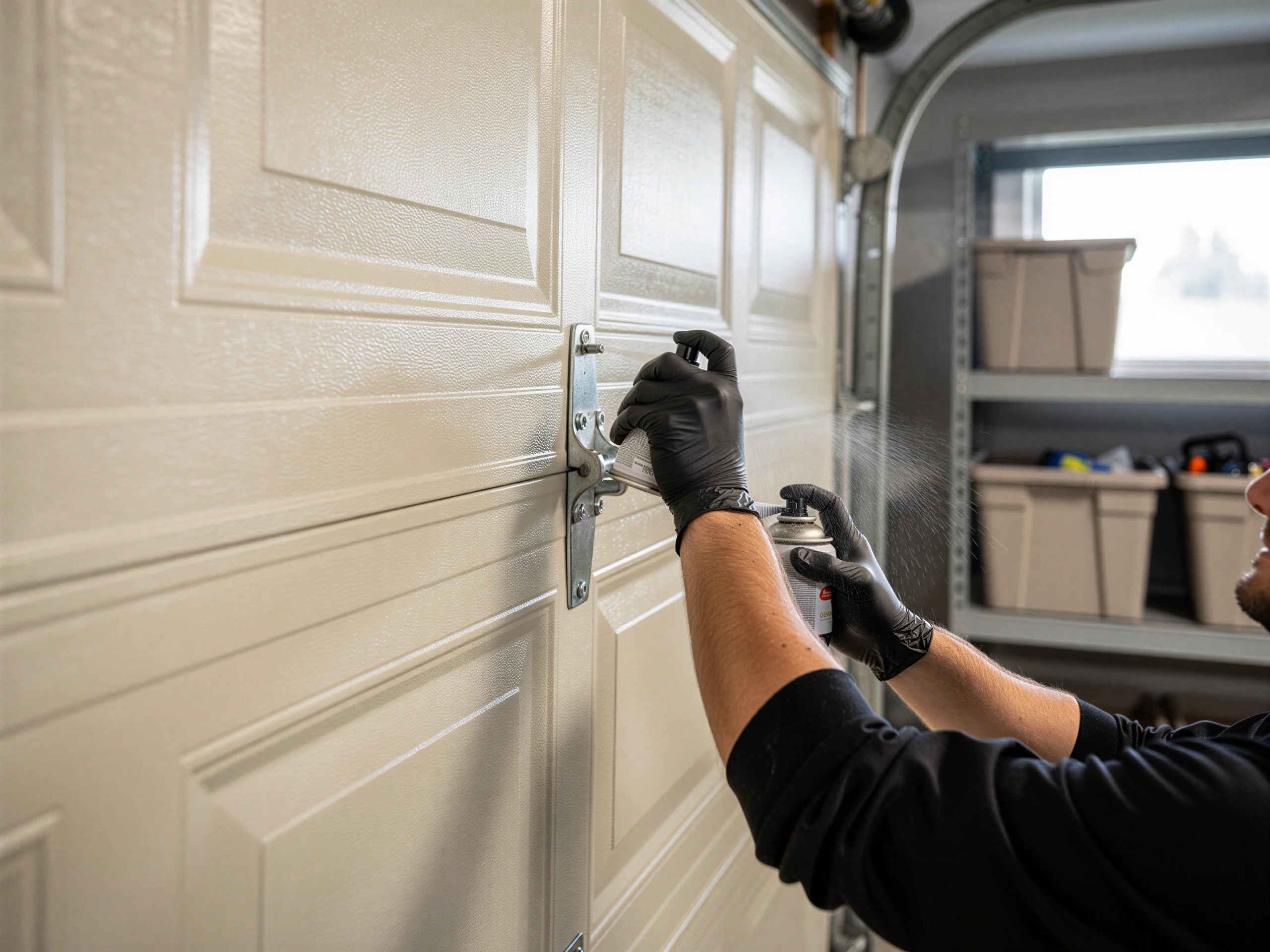
Check that the rollers still spin freely and aren't flat on one side, wipe the track clean of old grease and grit, and lubricate the hinges and roller stems with a garage-door-specific lubricant, not WD-40, which washes out and attracts dust.
Cracked seal leaks cold air
Look at the weatherstripping along the bottom edge; on a single-layer steel door in a cold climate, a cracked seal lets in a lot more cold air than it would on a newer insulated door. Tighten any loose hinge bolts you find, but leave the track brackets and the spring itself alone. That's where a DIY job turns into a repair call.
How Long You Are Without the Door
A straight maintenance visit - lubrication, roller check, hinge and track inspection, weatherstrip check - doesn't take the door out of service; you can park in the garage again as soon as the truck leaves. If that visit turns up a spring near the end of its life or a bent track, the door stays down for the rest of that call while the part gets replaced, since a torsion spring isn't something to leave half-done. We come out from Monroeville, about 5 miles away, so travel isn't what adds time to a job here; it's whether the part needed is one carried as standard stock or one that has to be ordered for an older hardware setup.
What Is on the Truck
For maintenance visits on a door built around the early 1970s, the truck carries torsion springs sized for a standard two-car steel door, replacement rollers (nylon and steel), hinges, cable, and track hardware sized for sectional doors of that era, plus lubricant and weatherstripping. What's not on the truck as standard stock are parts for doors built before the mid-1950s with the older extension-spring, side-mounted hardware you still see closer to the center of the service area - those sometimes need a special order, so if your door is original to a much older house, ask when you book.
What Causes It Around Here
This area sits in a cold, severe winter climate band, and that drives wear on doors of this era harder than it does on newer insulated models.
Cold steel stiffens hinges
Single-layer steel contracts in the cold, which stiffens the hinges and can make the rollers bind if they're already dry. Condensation on an uninsulated steel panel also means more rust at the bottom corners over the years than you'd see on a newer door with a thermal break.
Heavier daily door use
Plum's median household income runs well above the area's overall figure, and a fair number of these garages get used as workshop or storage space beyond just parking, which means more daily door cycles than a garage used only for cars. More cycles on original-era hardware is the single biggest reason torsion springs here reach the end of their rated cycle count sooner than the manufacturer's estimate assumes.
Questions
Common questions
How often should I get my garage door serviced in Plum?
Once a year is reasonable for a door from this era, more often if the garage sees heavy daily use. Cold winters here stiffen hinges and rollers faster than a mild climate would, so an annual check before winter catches binding parts before they strand the door shut.
Why does my door feel heavier in winter?
Steel contracts in cold weather, which tightens tolerances at the hinges and rollers. On a single-layer steel door like most built around 1971, that stiffening is more noticeable than it would be on a newer insulated door, and it's often mistaken for a failing opener when it's really just cold hardware.
Do you keep a depot in Plum?
No. We run out of Monroeville, about 5 miles from Plum, and cover this area as part of our regular route. There's no local branch here, just a truck stocked for the door types common to this part of the service area.
Is my original door worth repairing or should I replace it?
If the panels are solid and it's just hardware wear, repair usually makes sense. If the steel is rusted through at the bottom corners or the panels are badly dented, replacement often costs less over time than repeated repairs on an original-era door.
Explore more
More Services in Plum
Cable Repair
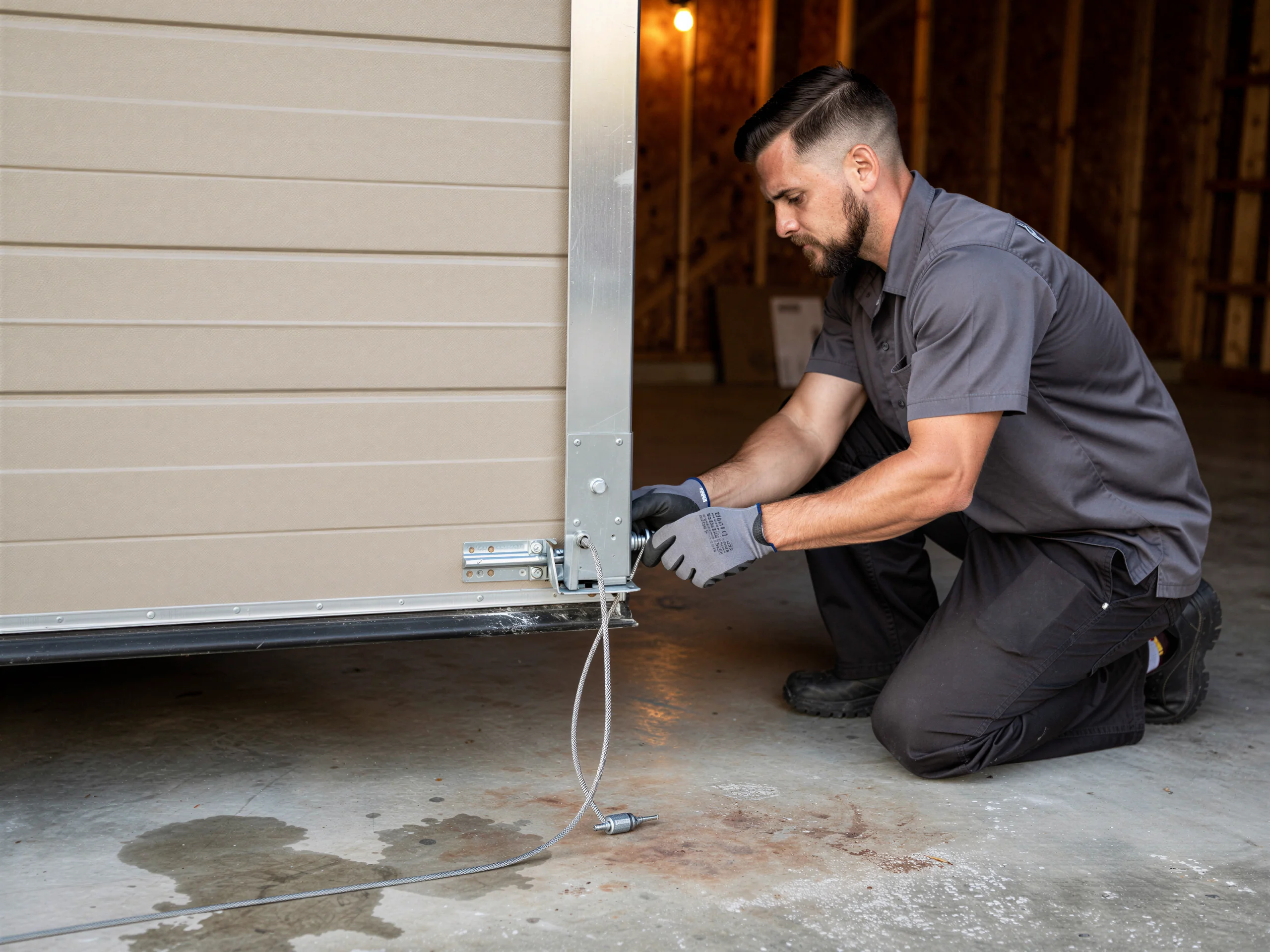
Cable repair for Plum homes built mostly in the early 1970s, served from our Monroeville shop 5 miles away. Learn more →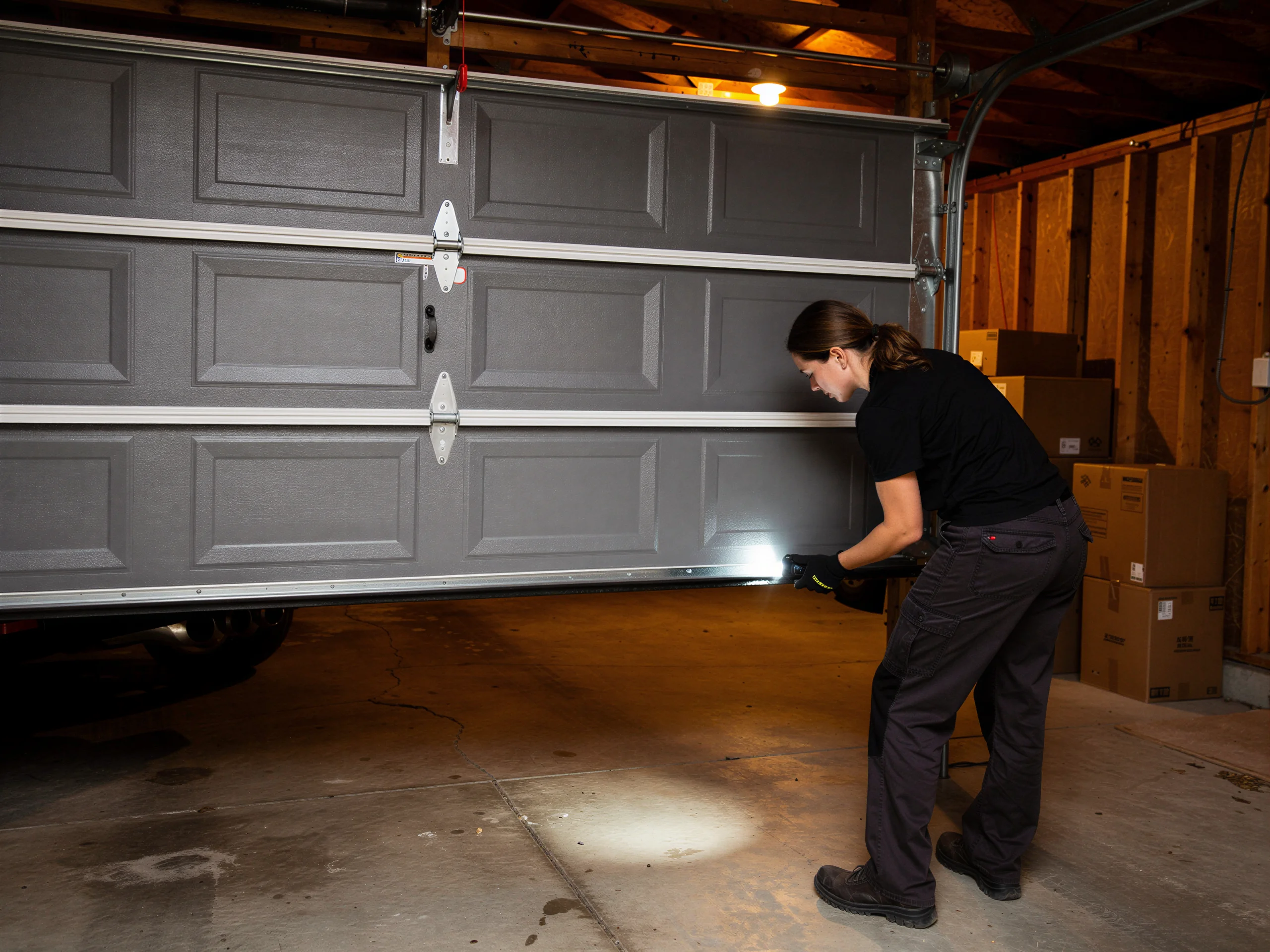
Garage Door Repair
Garage door repair for Plum, PA homes built mostly in the early 1970s. Learn more →
Garage Door Service
Plum's houses mostly went up well after Monroeville's older streets did, which means different springs, different track, different failure points. Learn more →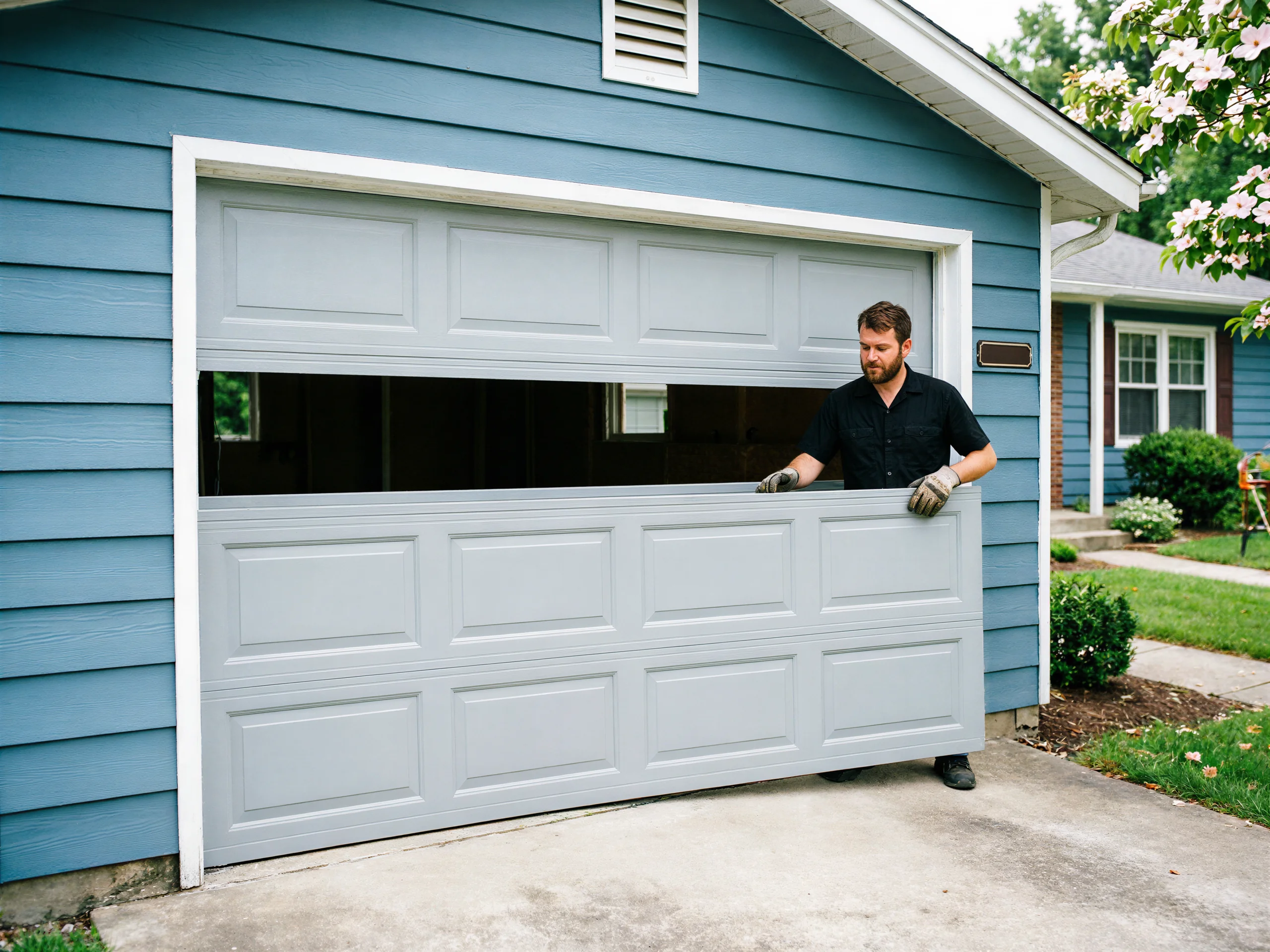
New Door Installation
Plum homes built mostly after 1960 need wider, taller doors than the rest of the Monroeville service area. Learn more →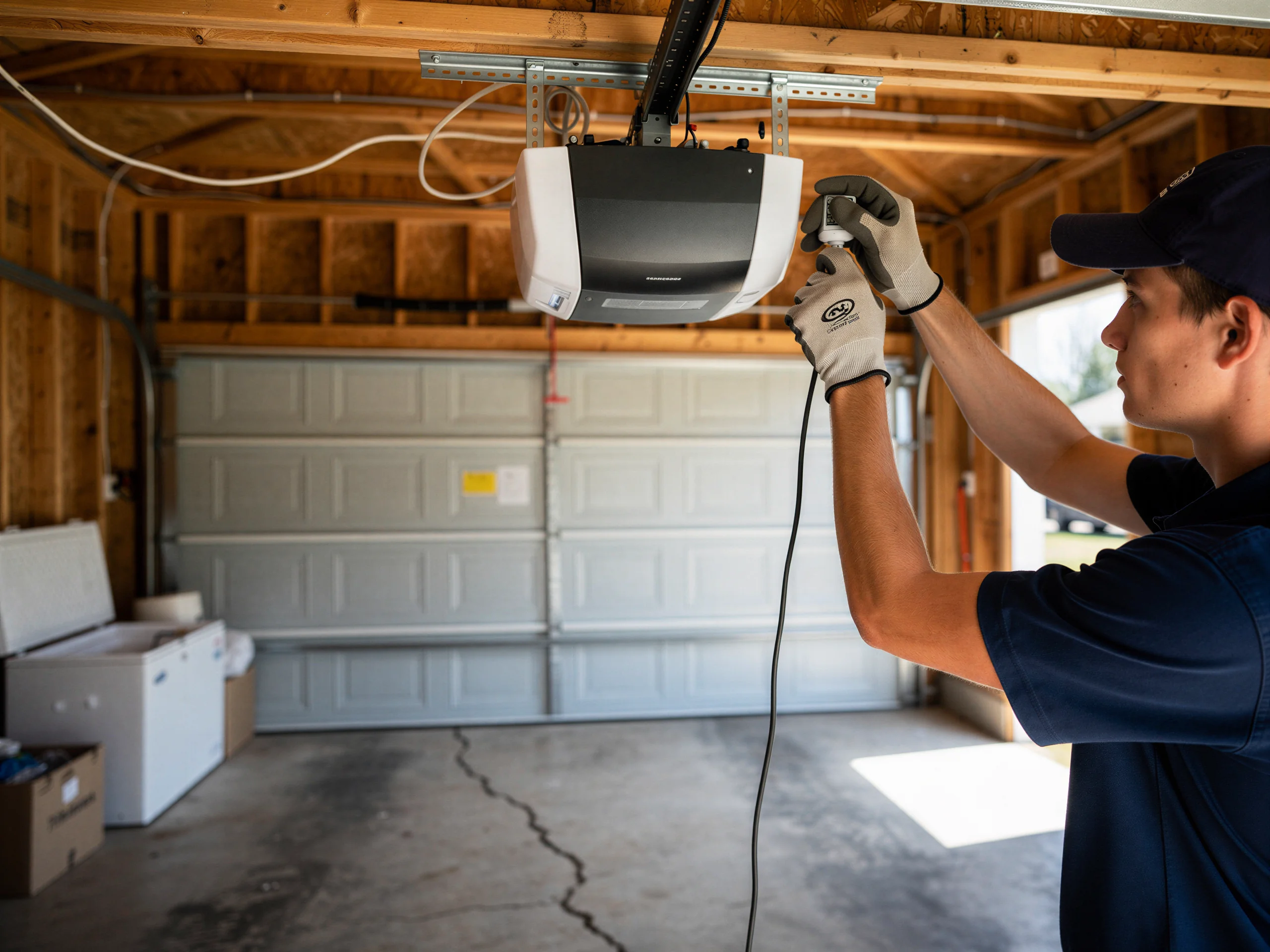
Opener Installation
Opener installs for Plum's early-70s garages - bracket mismatches, cold-rated gear sets, and why the 1971 build year changes what goes on the truck. Learn more →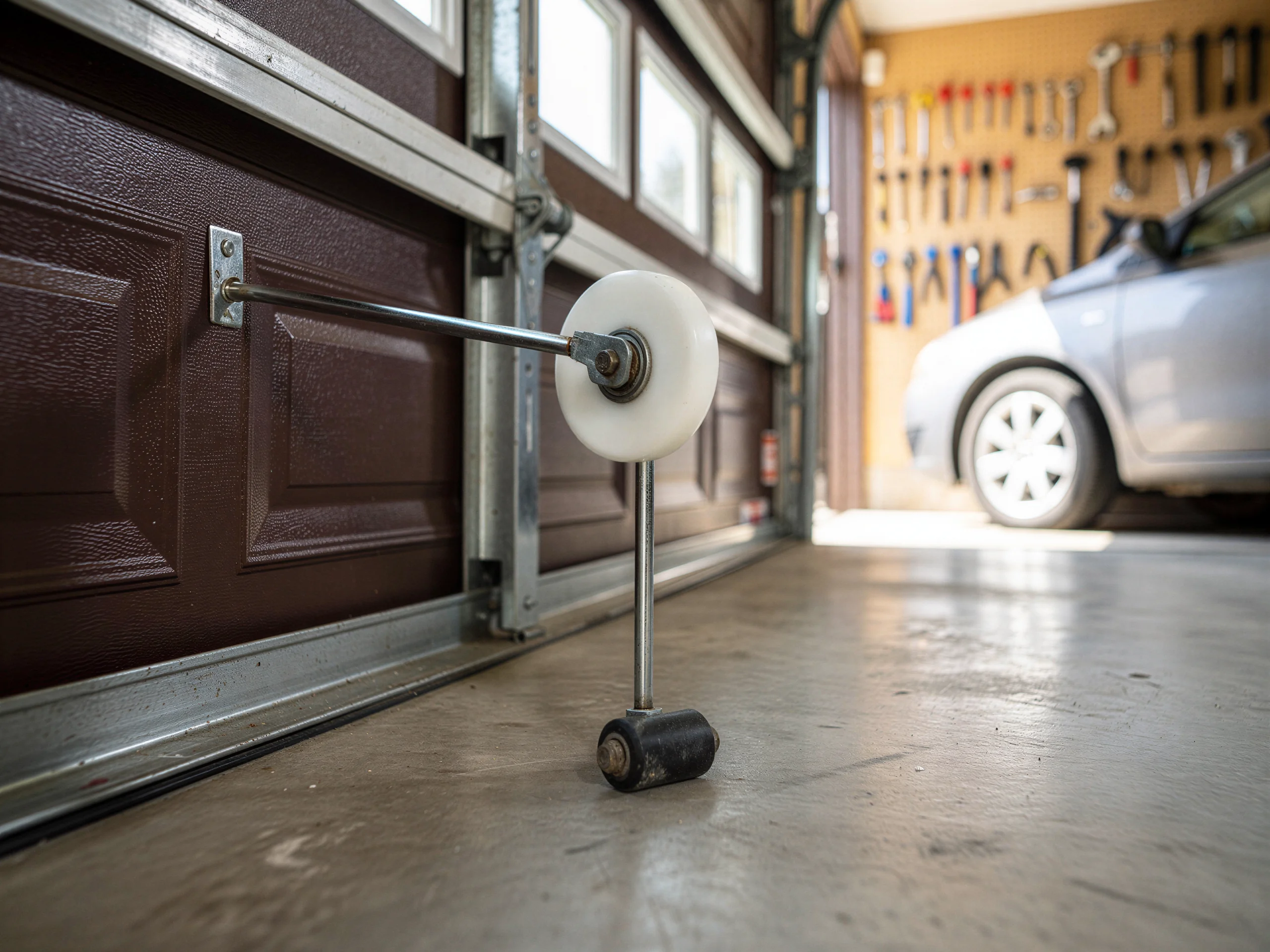
Roller Replacement
Garage door roller replacement for Plum, PA homes built mostly after 1960. Learn more →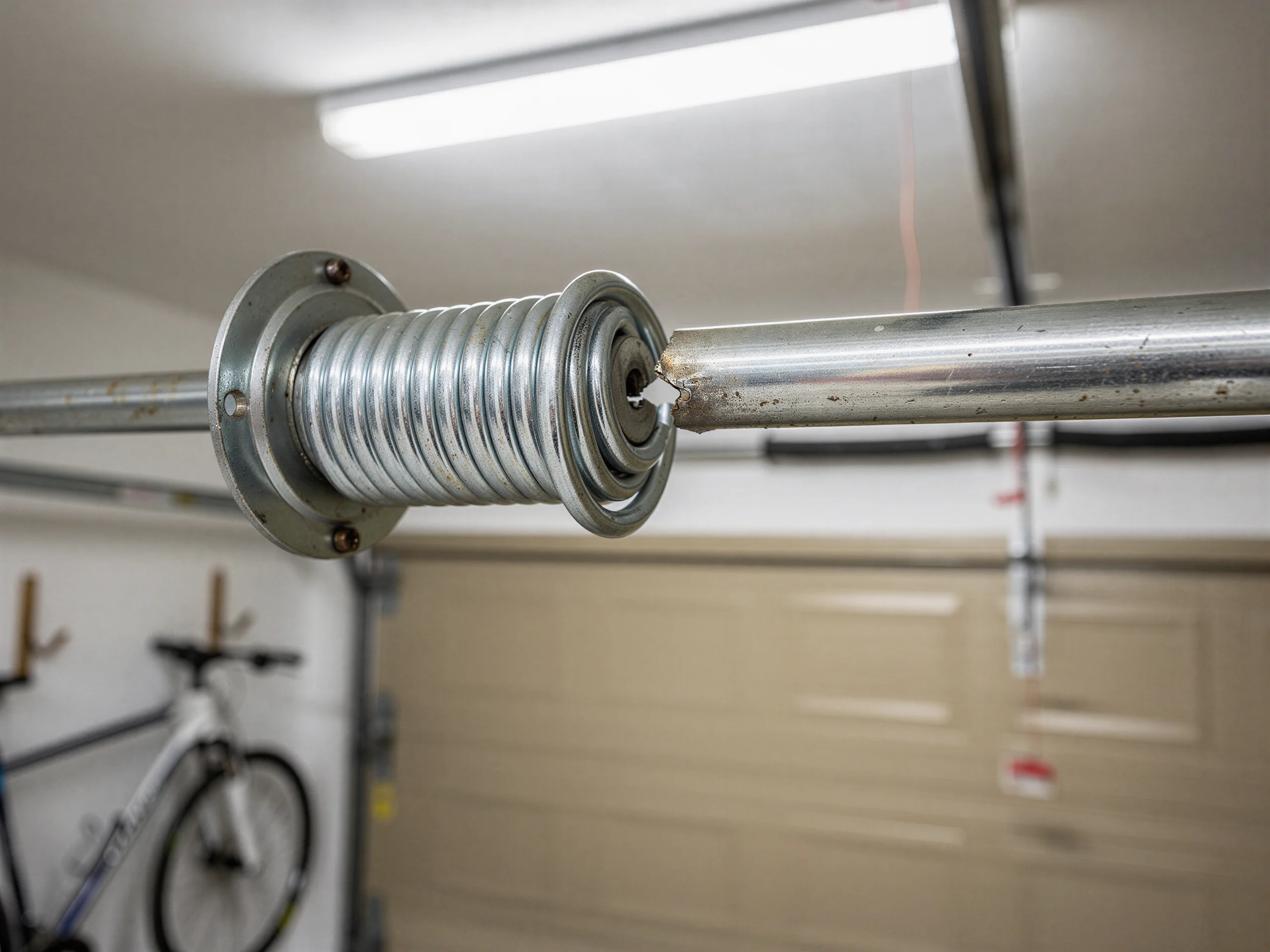
Spring Repair
Spring repair for Plum's mostly 1960s-80s garage doors, serviced from Monroeville 5 miles away. Learn more →Ready when you are
Time for a garage door tune-up in Plum?
Monroeville Garage Door Pros repairs and installs garage doors, springs and openers in Monroeville, PA and the surrounding area.